Design Strategist & Product Designer
Marine Kerdaffrec
kerdaffrecmarin@gmail.com
Currently at
Based in
The Hague (NL)
About Me
Hi, I'm Marine,
I turn fuzzy ideas into tangible experiences, connecting people, systems, and solutions, one design at a time.
Over the past 4 years, I have worked across research, strategy, and product design for complex environments. I gather insights, align direction, and translate vision into simple flows that support both user needs and organizational goals.
Selected Projects
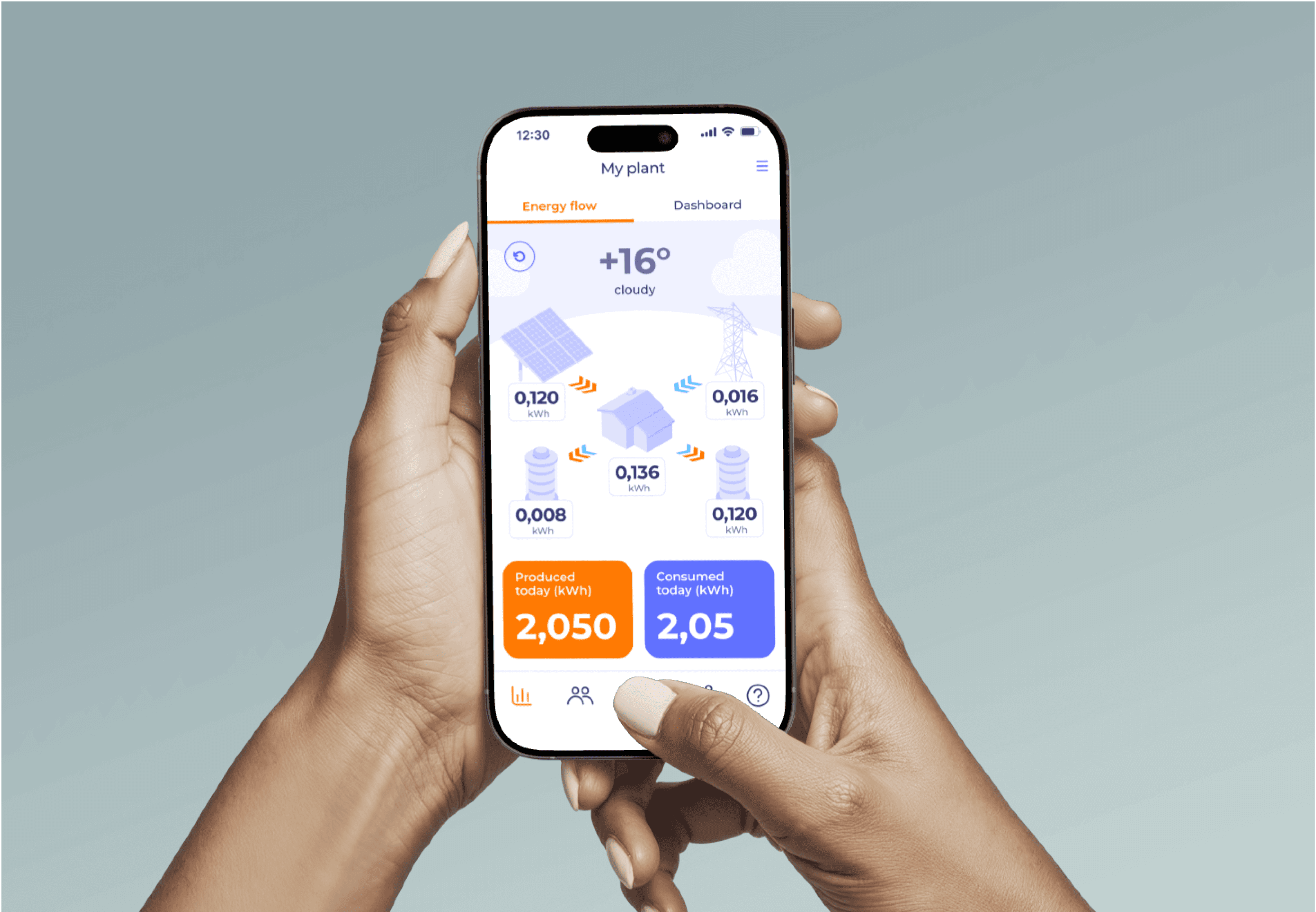
IsolarCloud
Transforming solar energy monitoring into an intuitive experience that turns data into actionable insights for smarter energy use
Overview
How do you transform a complex, technical solar energy app designed for industrial users into a simple, empowering tool that connects with European homeowners and installers?
In 2022, we redesigned Isolarcloud, originally built for the Chinese market, to meet European residential users’ needs.
The existing app was technical, confusing, and one-size-fits-none — serving installers and end-users with very different jobs and expectations.
Our challenge: separate these use cases, simplify the experience, and create trust through clear brand and UI design.
The Challenge
-> The original Isolarcloud app was designed for Chinese commercial users and installers. This meant the UI was filled with technical jargon, complex data, and a one-size-fits-all approach that overwhelmed European homeowners.
-> Users were confused by terminology like “plants” (they typically have a single solar system), and the interface didn’t guide them towards actionable insights or optimizations.
-> Installers and homeowners had very different goals and expectations, but the app treated them the same.
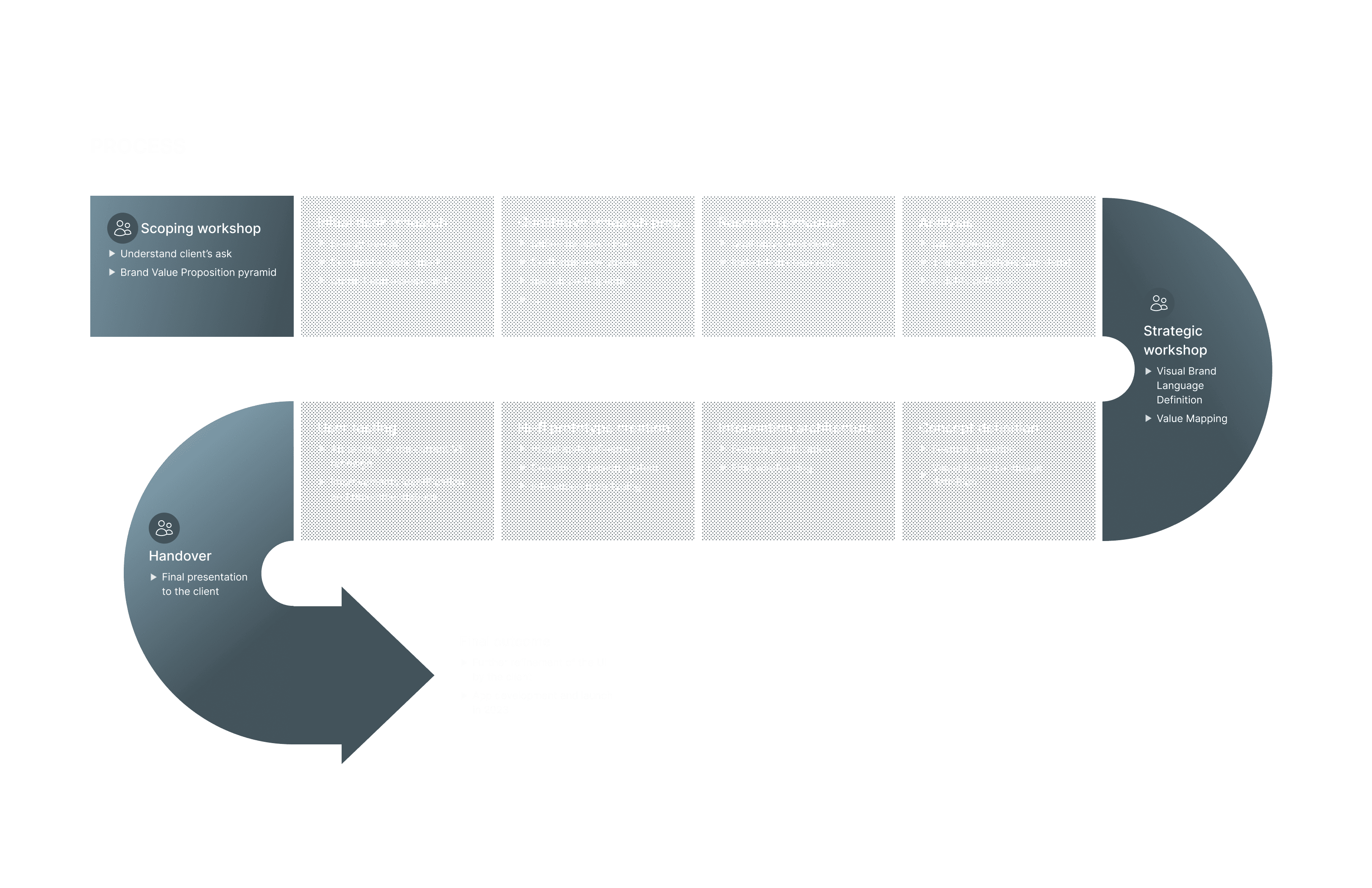
Approach
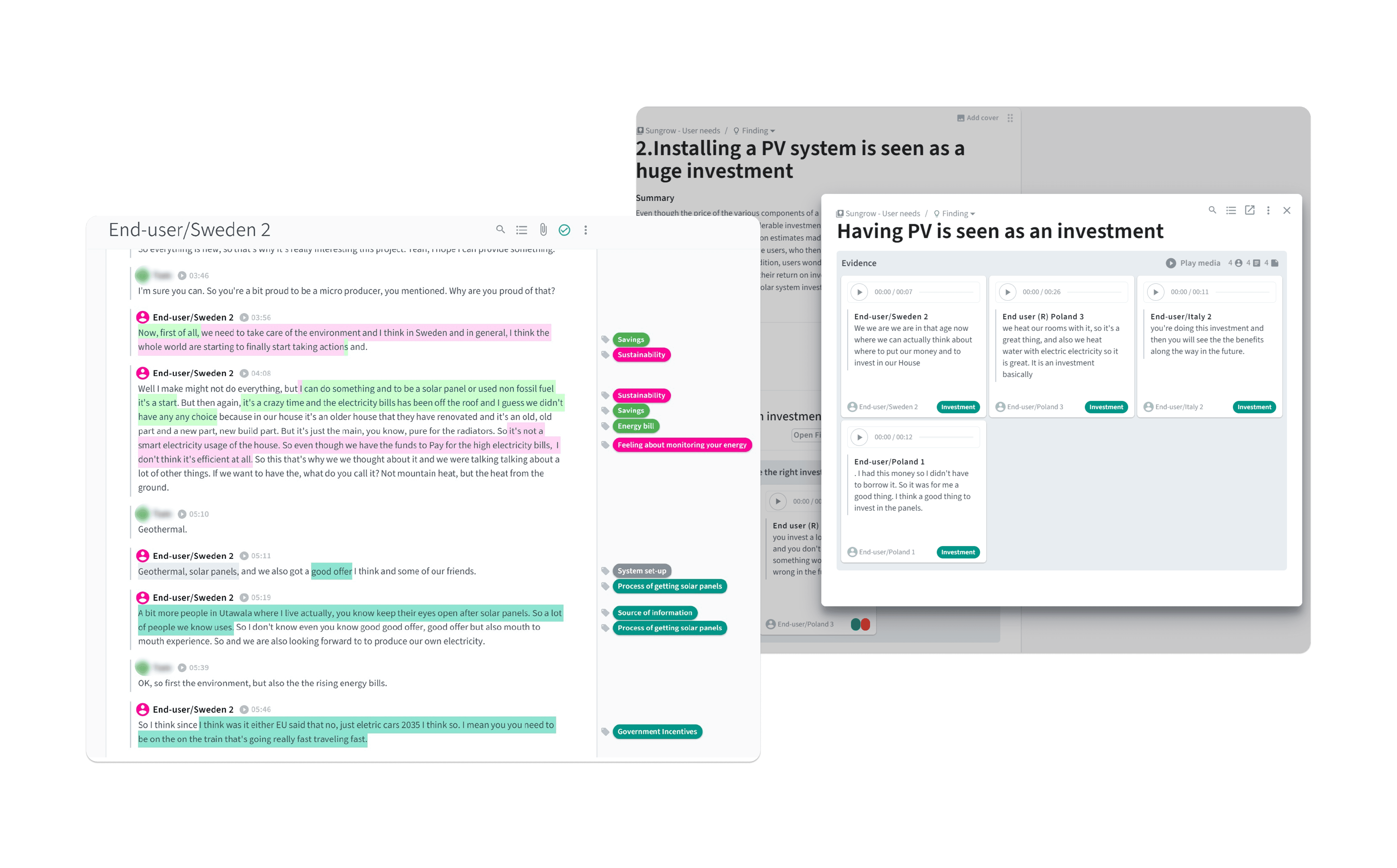
We conducted 6+ months of research, including desk research, competitor benchmark, interviews, and installation observations, we uncovered usability blockers, unmet needs, and emerging user aspirations for community and self-sufficiency.
Research in numbers
Insights
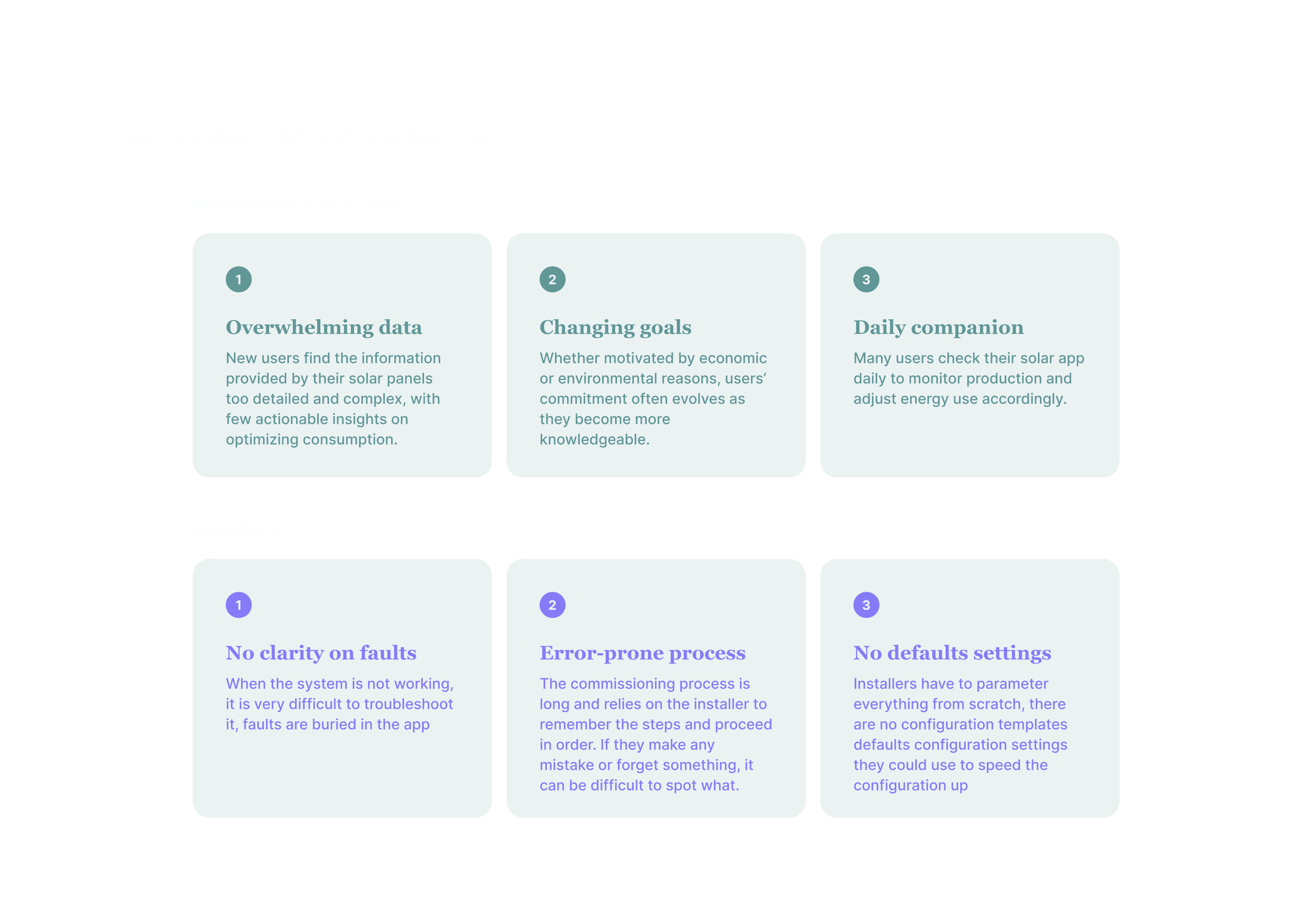
-> User research revealed that while users craved detailed data, they mainly wanted clear guidance and motivation to optimize energy use and see ROI.
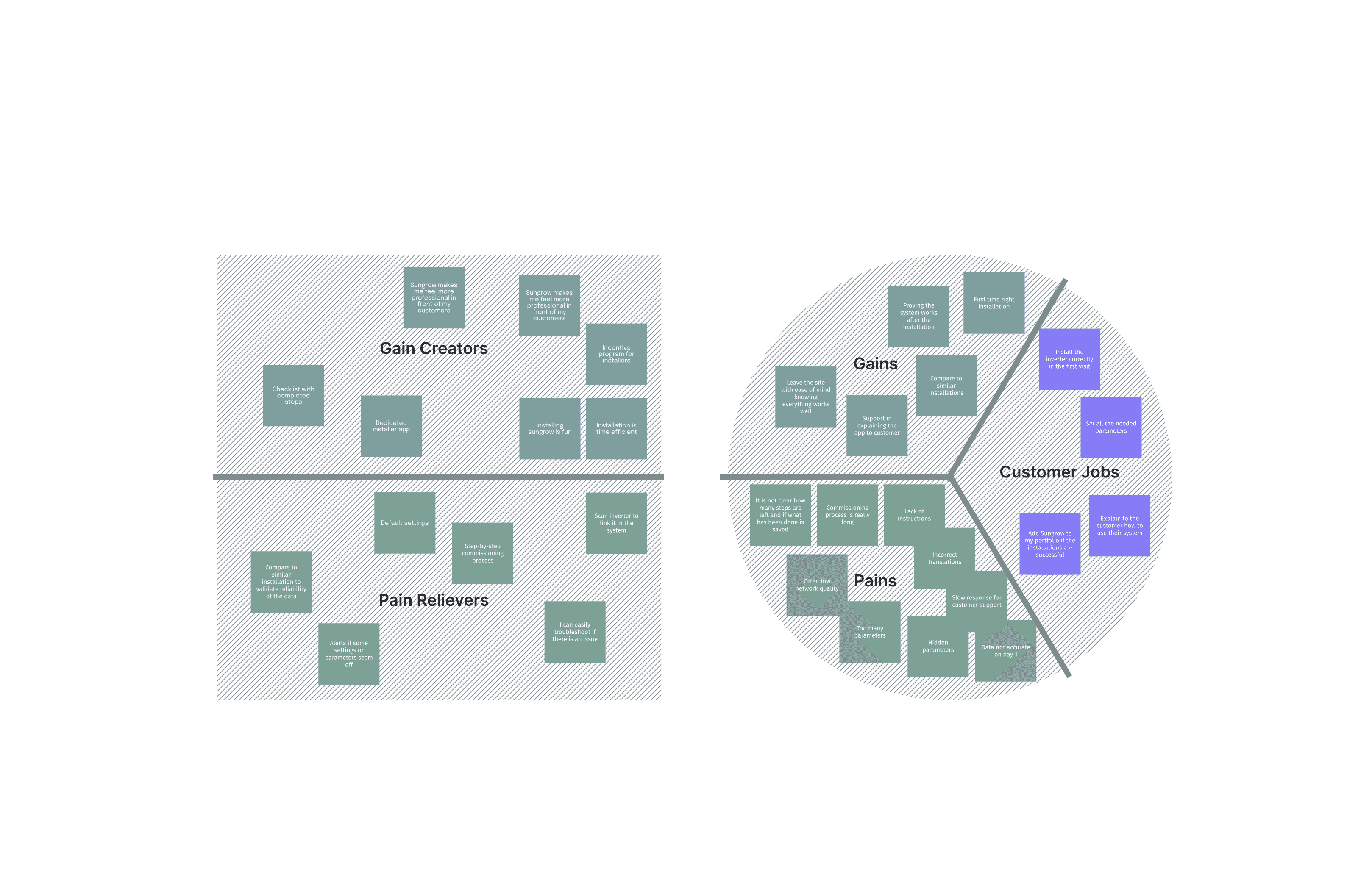
-> Installers wanted simple, reliable commissioning tools without unnecessary complexity or confusing alerts.
-> A key insight was the rising aspiration for self-sufficiency and a sense of community emulation: users wanted to share and compare their solar performance.
Solution
Designing for clarity and trust: tailored experiences for diverse users
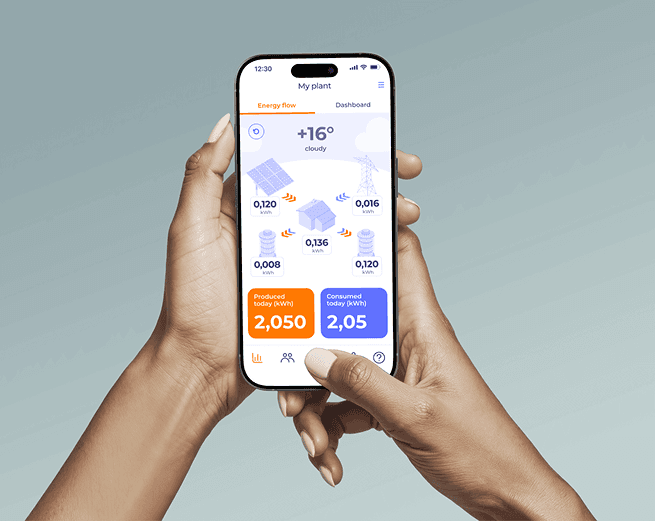
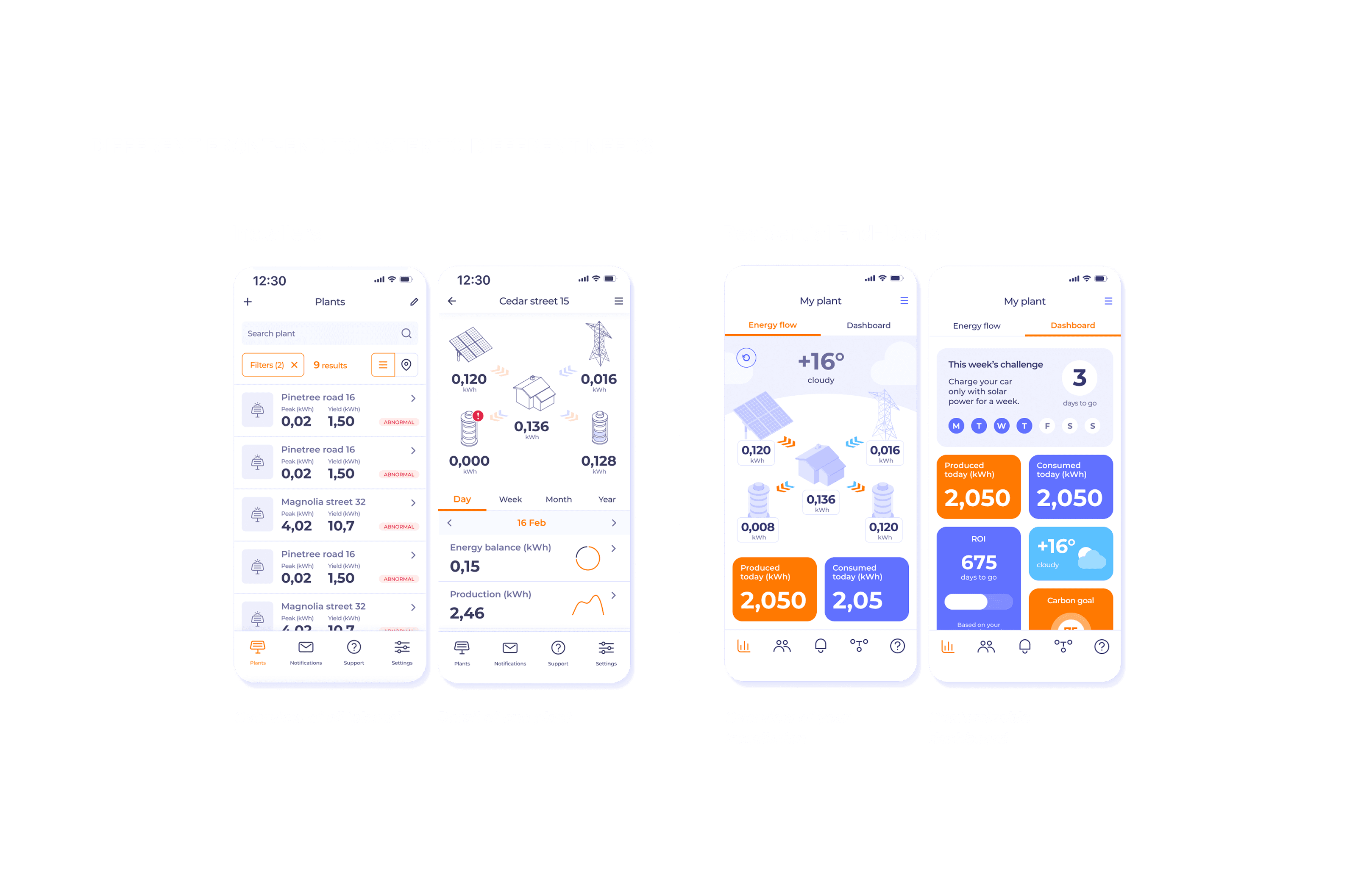
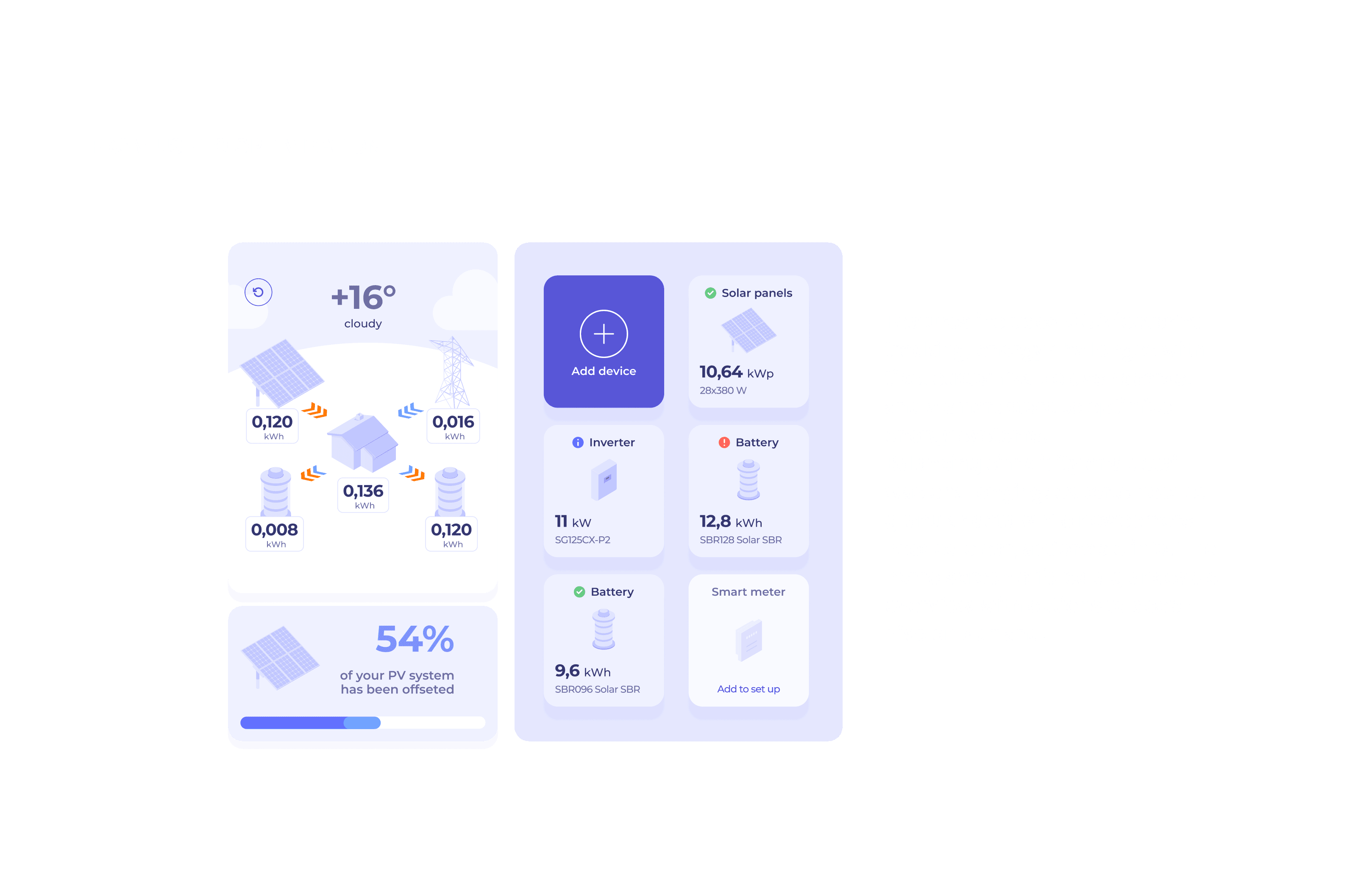
To solve the complexity, we created two distinct interfaces: one for installers focusing on commissioning and troubleshooting, and another for residential users focusing on energy insights and behavioral nudges.
We simplified visuals, reduced jargon, and refreshed the brand language to feel modern, trustworthy, and approachable.
Brand Visual
Language
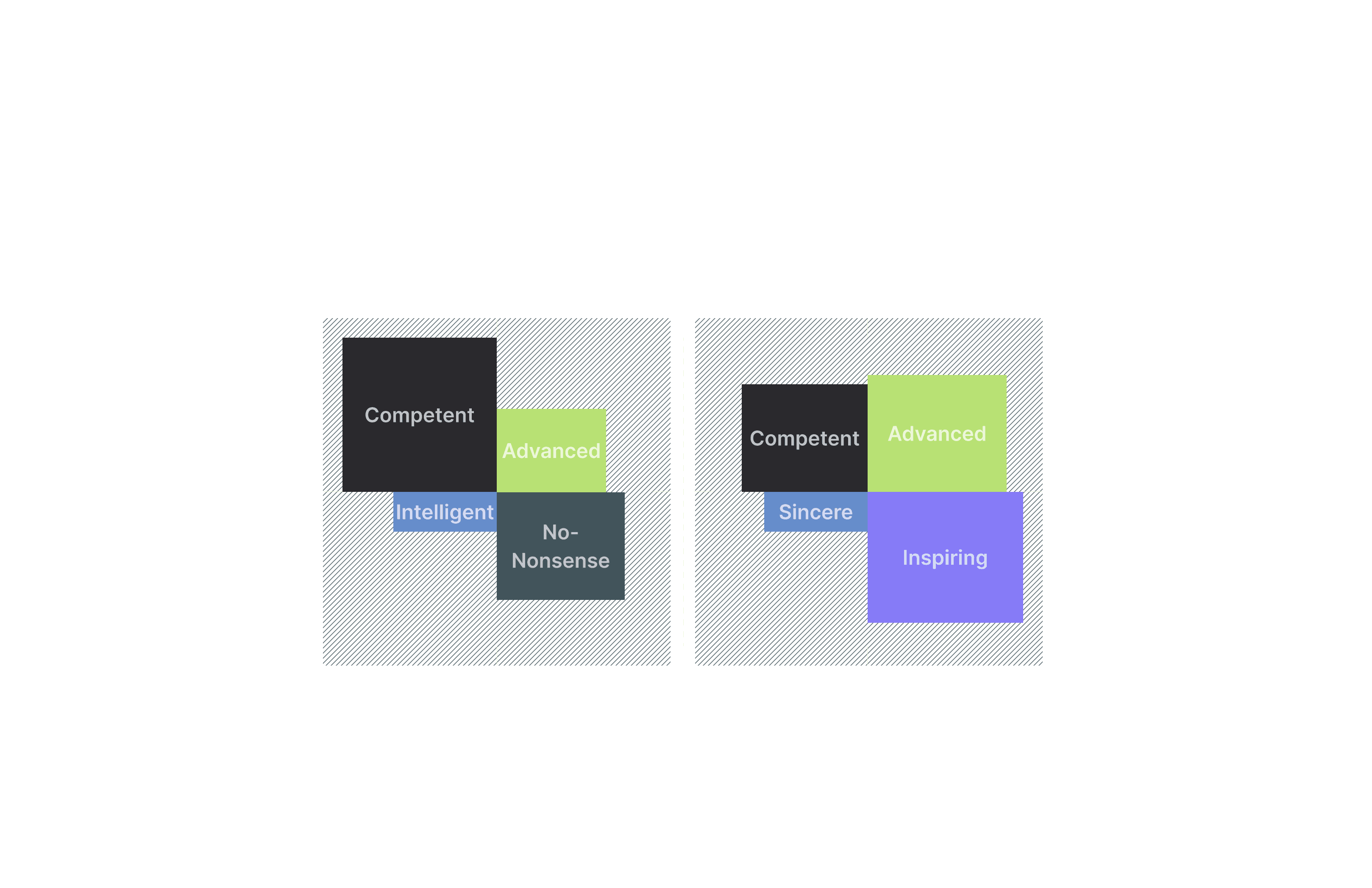
For Installers: Competent and advanced, the brand should convey reliability and technological precision. As a daily companion for monitoring solar panels, it should inspire users, prompt meaningful actions, provide useful insights, and offer a sincere presence, like a trusted coach in your pocket.
For residential end-users: Competence and expertise are also emphasized for installers, who want a reliable system that keeps pace with technological developments. Their app needs to be straightforward and efficient, no-nonsense layouts that highlight essential information and deliver a touch of intelligence, giving users a satisfying sense of a job well done.
Outcomes
Testing showed overwhelmingly positive feedback: users found the app intuitive, engaging, and motivating.
We used product reaction cards and task success metrics to identify final tweaks such as improving label clarity and iconography (not all users recognize the battery isometric illustration).
The client’s team took over development after concept phase, launching the new app to market.
FREE Nature
Supporting rewinding decisions with satellite data and AI
Overview
For this pro-bono project, we collaborated with FREE Nature, a Dutch NGO promoting natural grazing instead of mechanical mowing to manage vegetation in Dutch national parks, starting with floodplains.
The ask
How to make slow nature changes visible through data?
Floodplains act as natural buffers by absorbing and releasing water, preventing floods. Proper vegetation density is critical for water flow, but balancing this with nature preservation is complex.
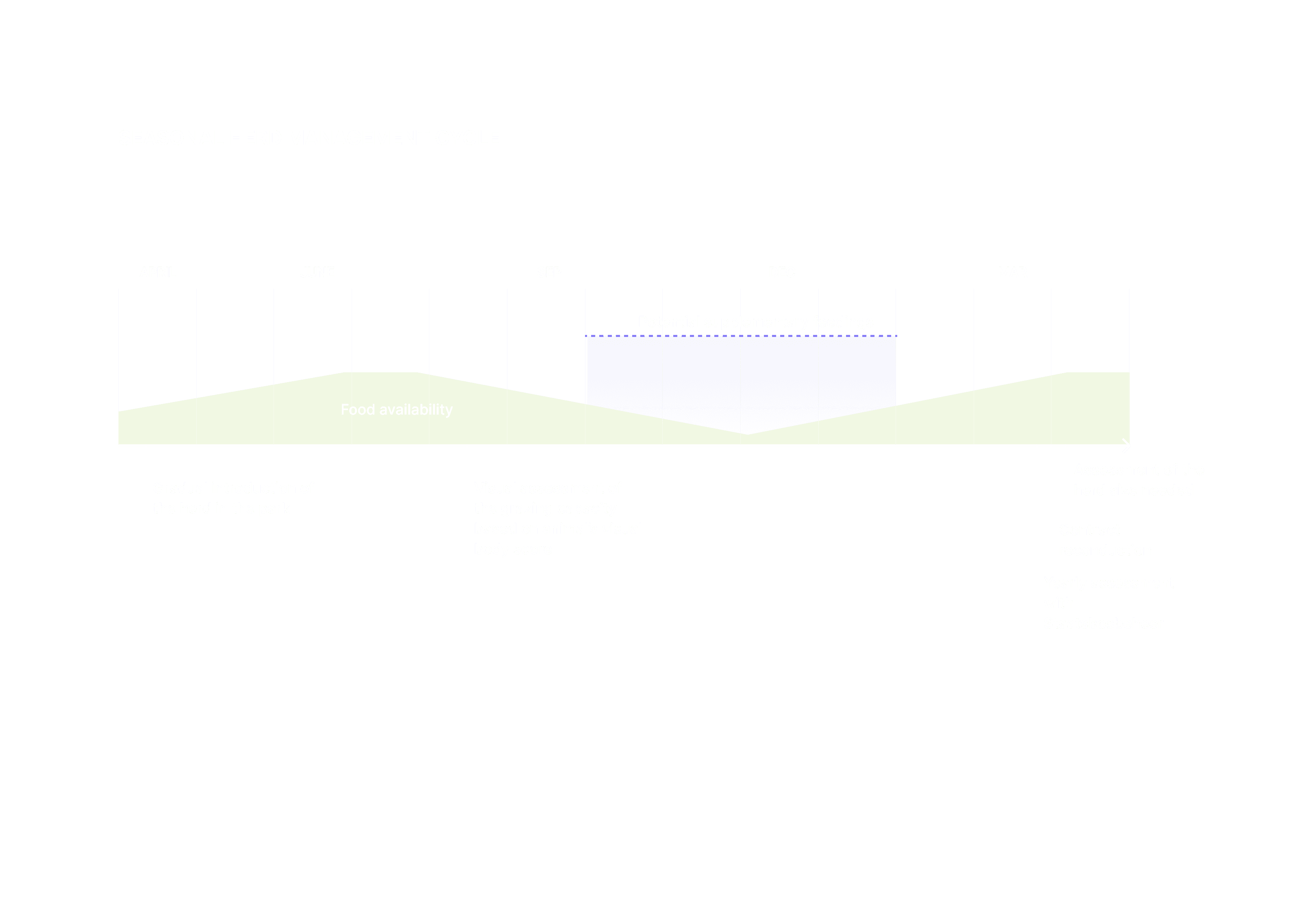
FREE Nature introduced grazing animals to maintain this balance but struggled to provide concrete, measurable evidence of impact to stakeholders. Their data collection was mainly visual and manual, making it hard to convince decision makers with slow-moving ecological changes.
Approach
We worked alongside FREE Nature’s rangers and public stakeholders like Rijkswaterstaat and Staatsbosbeheer to explore how satellite imaging could measure vegetation density and grazing impact over time. We interviewed stakeholders to understand their needs, motivations, and the challenges of showing slow ecological changes with hard data. Although satellite images offered broad coverage, weather and cloud cover limited usable snapshots, requiring a mix of remote sensing and on-ground data.
Our research revealed:
-> The importance of measurable and credible evidence for tenders and stakeholder trust
-> The need to balance flood prevention criteria with nature preservation on-site
-> The emotional and trust connection stakeholders had with visual, easy-to-understand data
-> The opportunity to translate complex satellite data into accessible dashboards to support decision-making
Solution
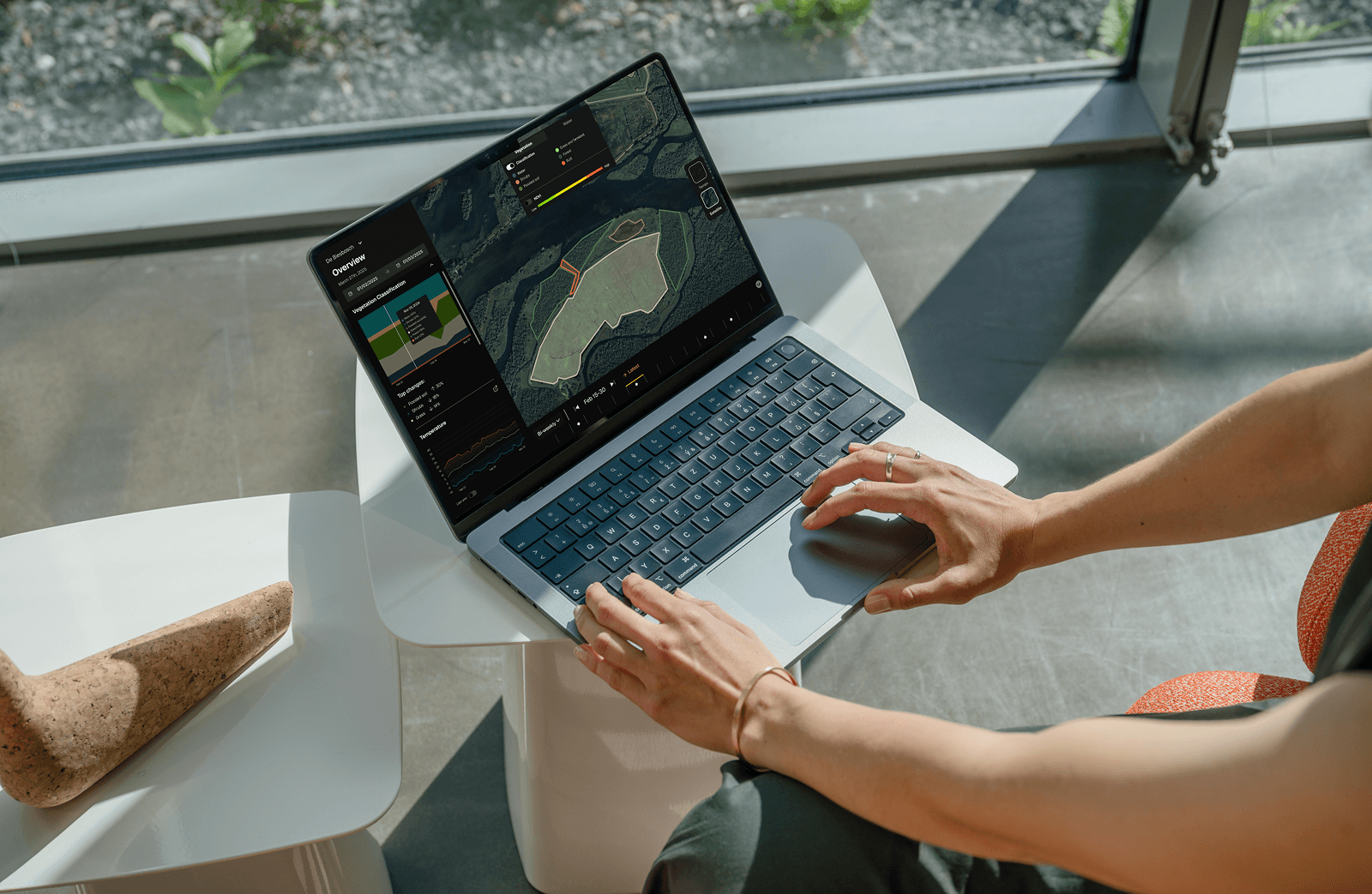
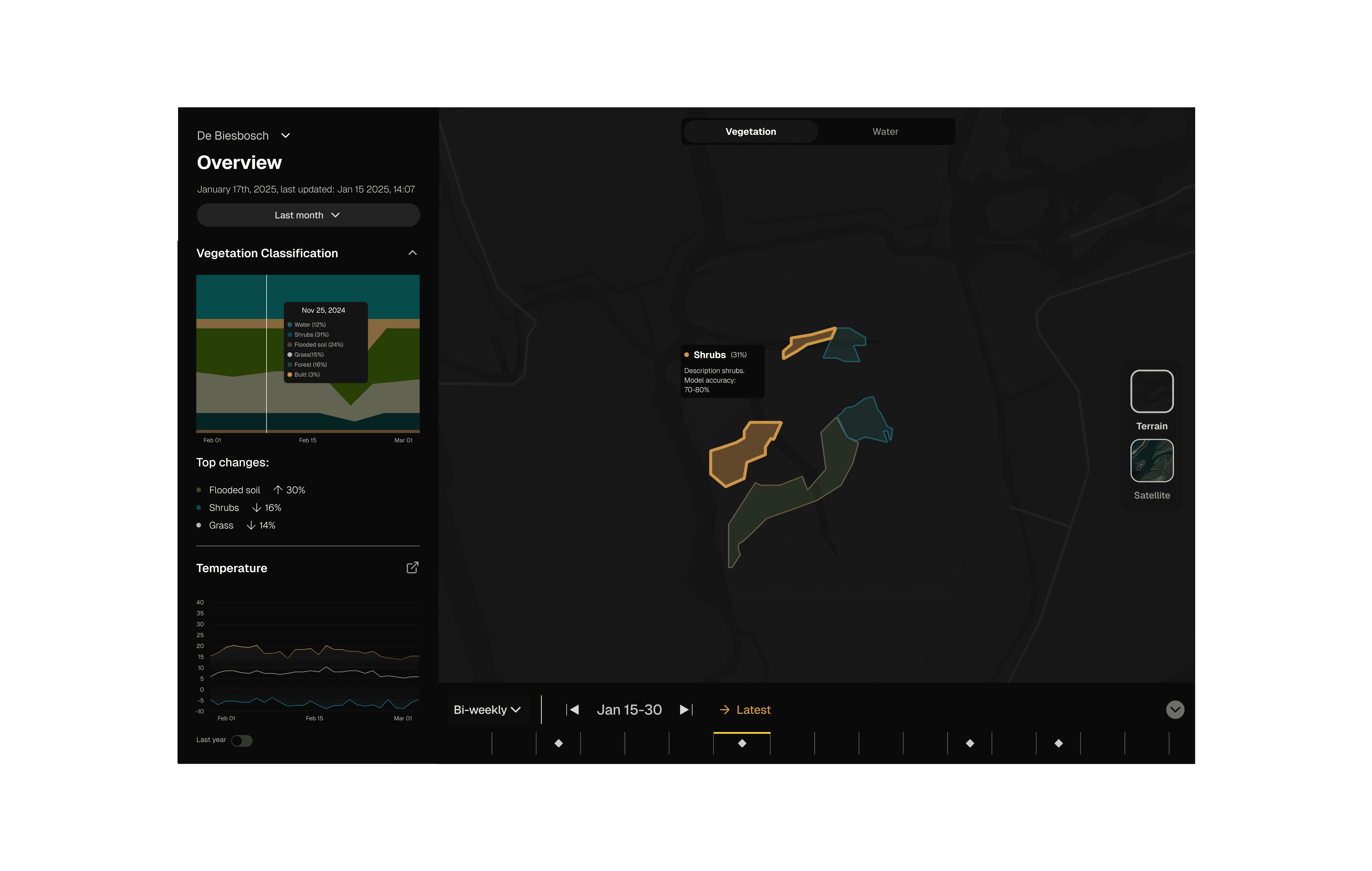
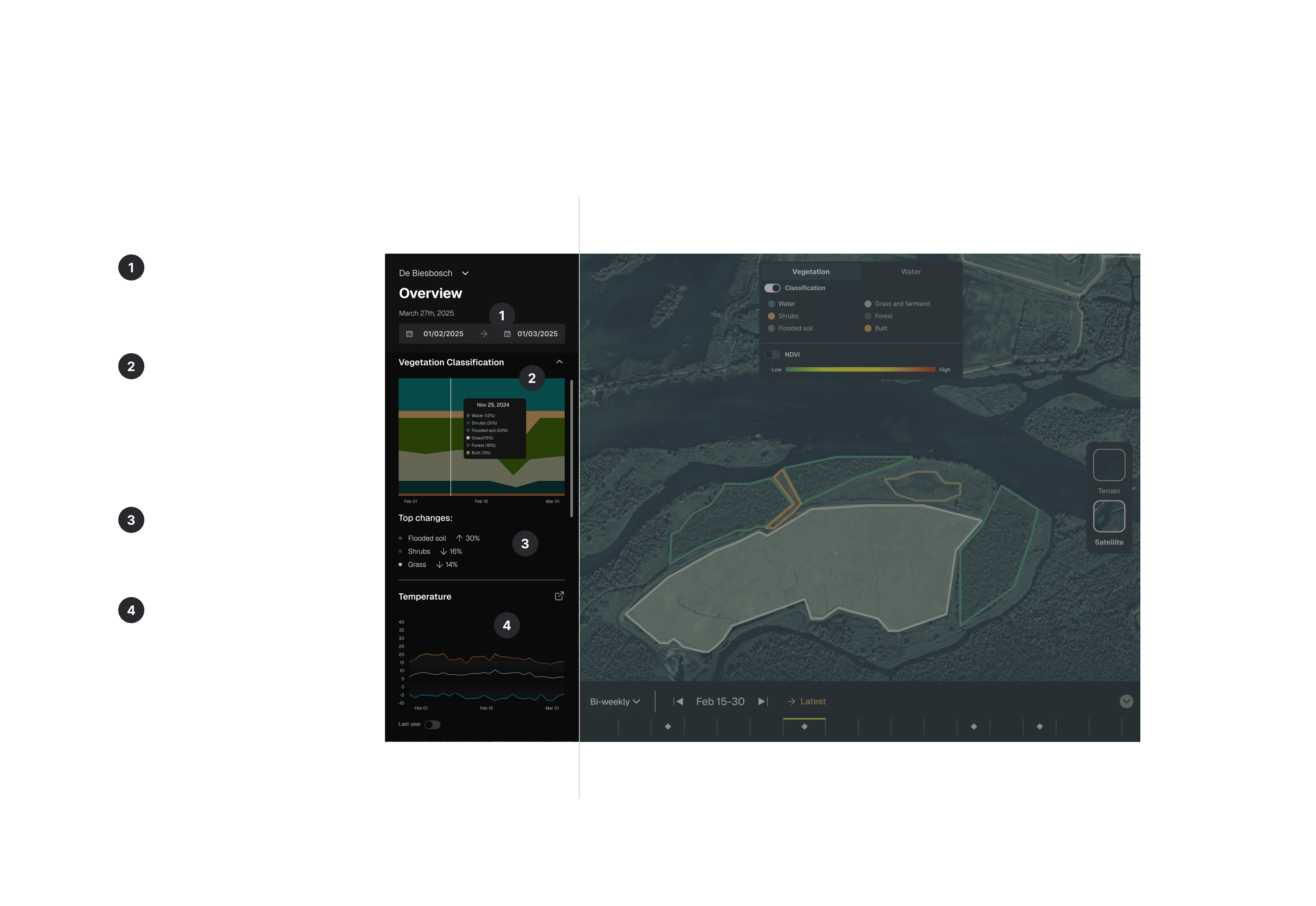
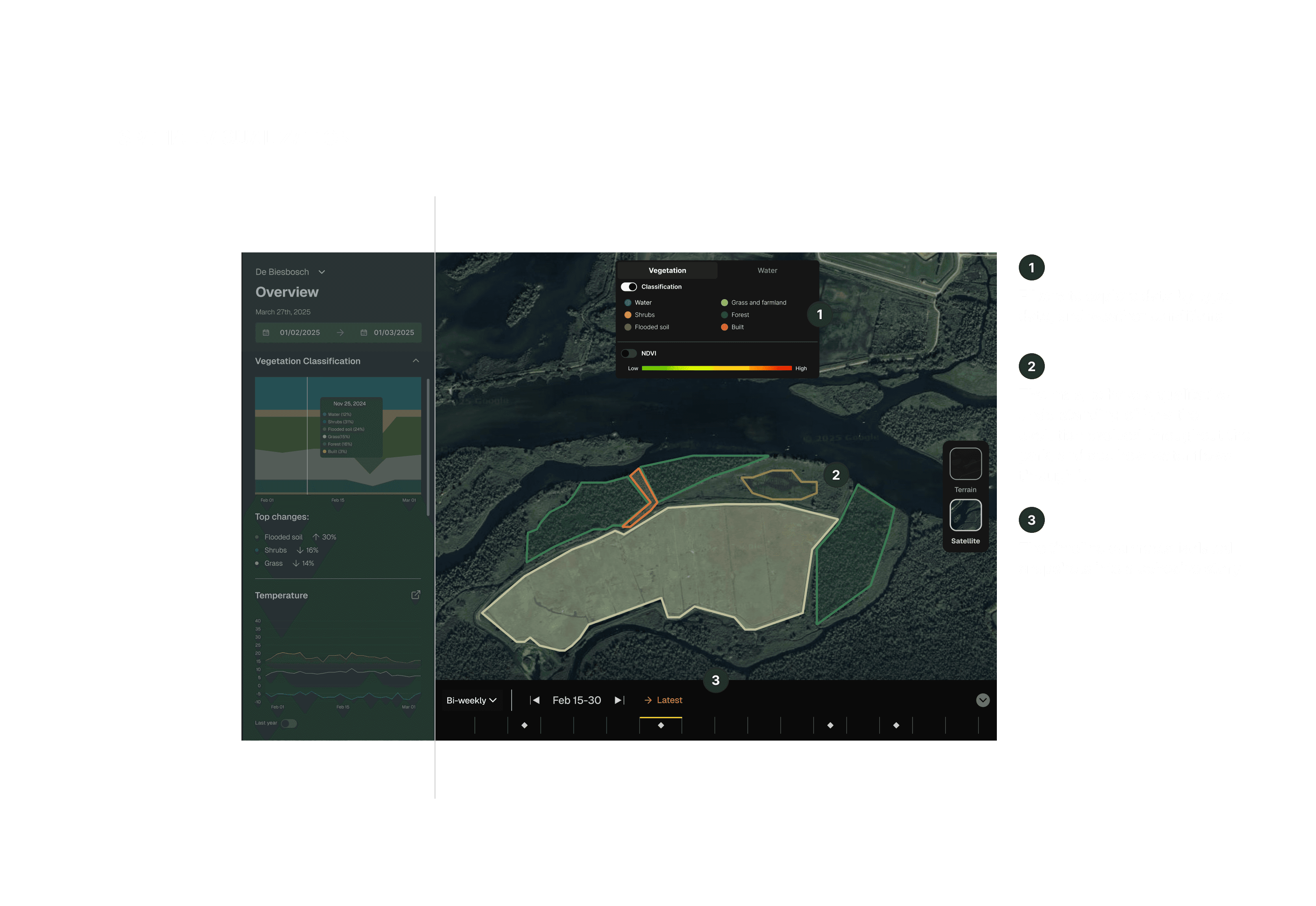
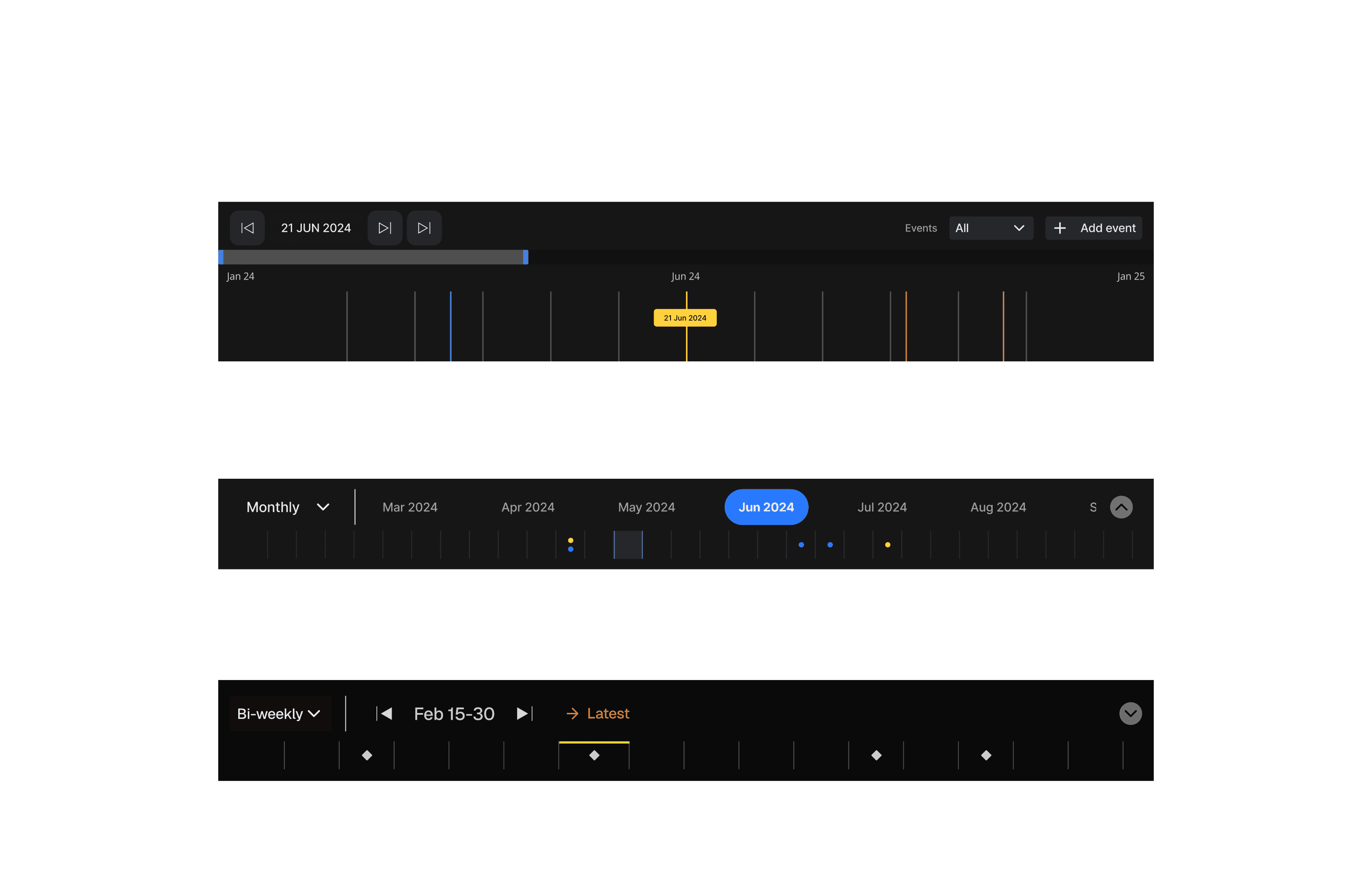
Our design solution focused on creating a dashboard that made complex satellite data comprehensible and actionable. We collaborated closely with the GIS team to train AI models that recognize vegetation types and track changes over time. The dashboard allows users to navigate from daily snapshots to aggregated timeline views, providing insight into long-term trends. We prioritized simplicity and emotional storytelling to build trust, using clear visuals and carefully chosen language.
Challenges
& Iterations
We were unsure what level of granularity in data FREE Nature needed to be able to drive decisions and showcase impact in an engaging way. Using satellite images alone was also a limitation: depending on the cloud coverage, the proportion of the different classes of vegetation would totally shift if for example a large part of the forest is hidden by clouds.
Another assumption we had before doing user research, and that proved wrong, was that FREE Nature would use the tool not only for reporting, but also for day to day management of the park, tracking water flows or animals. While this could be the case in the future, as of today the focus is only on vegetation classification, and therefore doesn't require that level of precision and frequency of image capture.
For these reasons, we moved from the idea of providing snapshots for each day where images were captured, and using these to show the classification per snapshot, to instead allow the user to see aggregated vegetation classification for a period of minimum 15 days. This way, the user can skip from month to month and see the evolution overtime, and the aggregated data allows to get a classification closer to the reality in the park.
Outcomes
The project's technical development is still ongoing, with the goal to improve the accuracy of the AI classification model and the granularity of the satellite images integrating to the map from 10x10 meters tiles to 30x30 cm to provide more detailed insights. The project received further fundings from the Accenture pro-bono foundation, and may be adapted to measure the impact of grazers in mitigating other environmental risks such as forest fires in Portugal.
EcoDesign Companion
Empowering engineers to design more sustainable electronics by balancing environmental impacts and business priorities while mitigating risks.
Overview
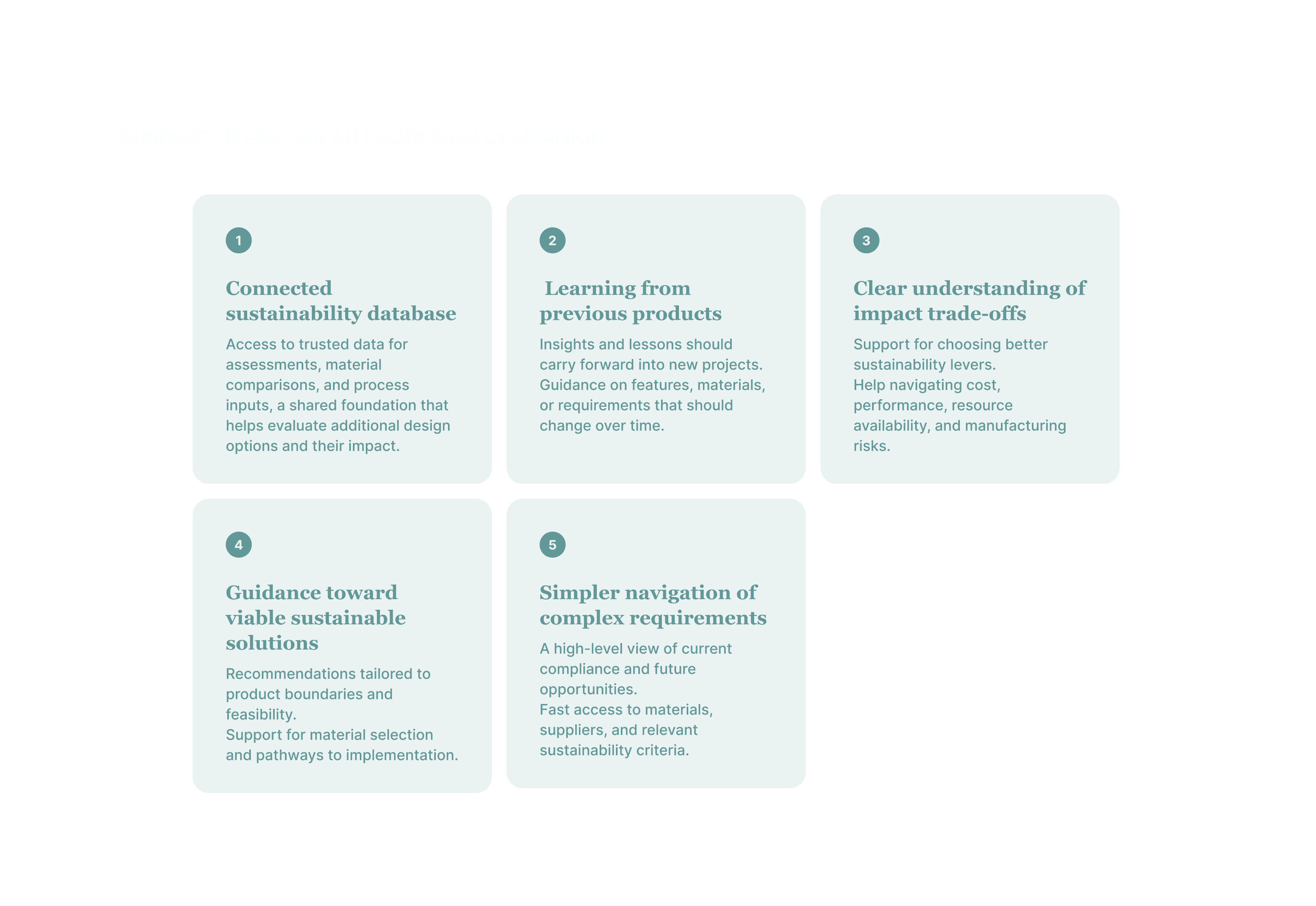
A consumer electronic products company asked the Accenture team to lay the foundation for an EcoDesign Companion that can help ensure that the scattered tools and materials in place are integrated and easily accessible to all, evolving the ecodesign maturity to a strategic, forward-looking and innovation driven model by unifying accumulated data into an intelligence framework. The team was asked to create a technical Proof-of-concept of such tool, as well as a demo showing how an eco design companion could be used by the product development team.
Approach
With a team including Service Designers, Digital designers, Circularity specialists and creative engineers, we set to explore what were the challenges the client faced when it came to create more circular products. We conducted some interviews with internal stakeholders such as the R&D team, the Material experts and the sustainability team.
Problems
The difficulty of designing more circular products lie in the fact that many different strategies could be implemented to source more sustainable materials, improve the longevity of the product, enable customers to repair the product themselves when it no longer works, etc. However, acting on making the product more repairable may mean using more plastic, thus increasing the material footprint of the product. Using more recycled content instead of virgin material may make the product less robust, or require the addition of additives to counterbalance the loss of tensile strength.
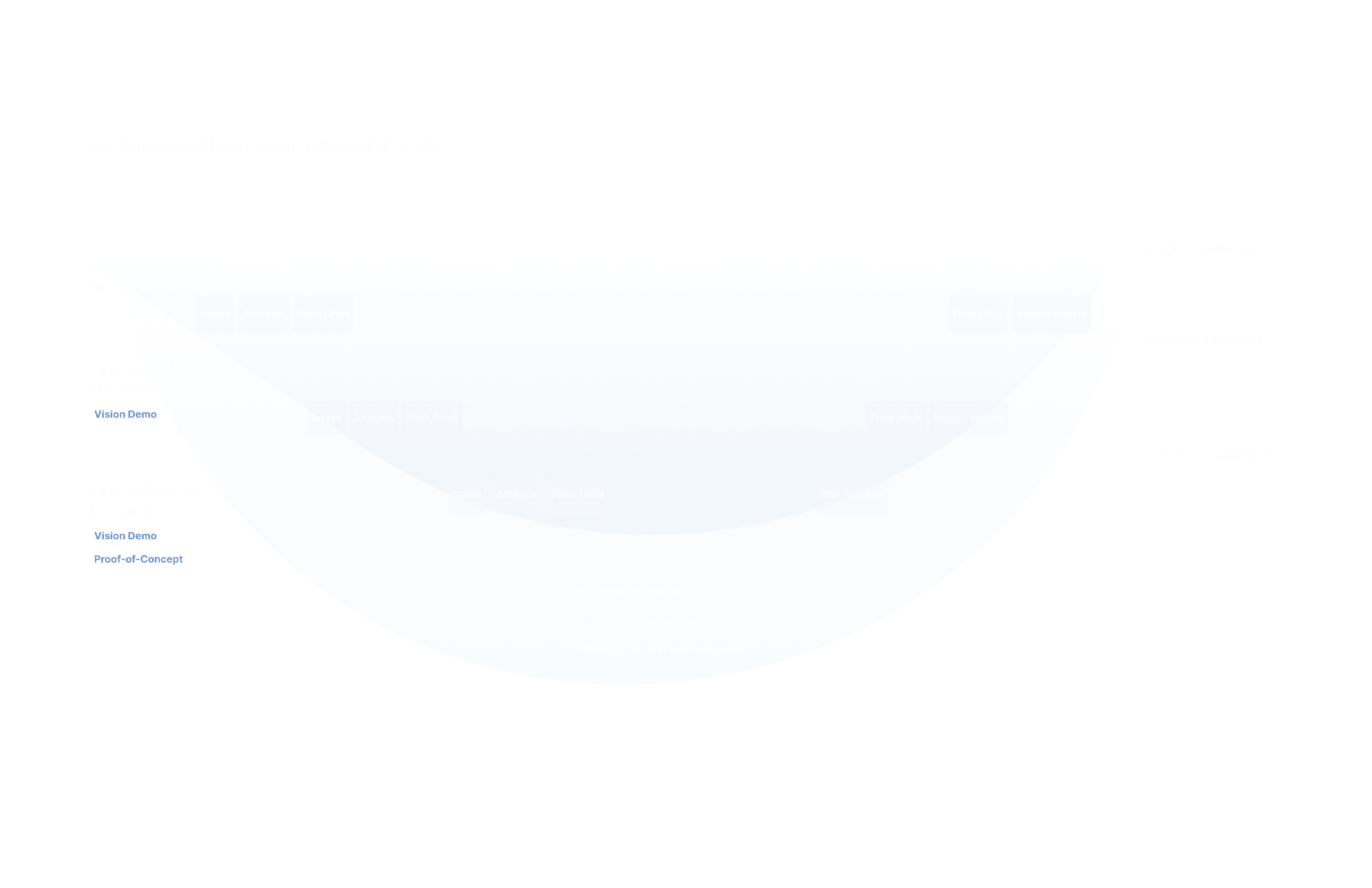
We see that many trade-offs need to be made to navigate this complexity. For this reason, sustainability decisions within the innovation process follow what we called a 'V model': from portfolio management to product innovation, both informing each other.
Showing the value
of an eco design
companion
For our proof of concept, we focused on one specific use case of the Eco-design Companion: automating the repairability assessment.
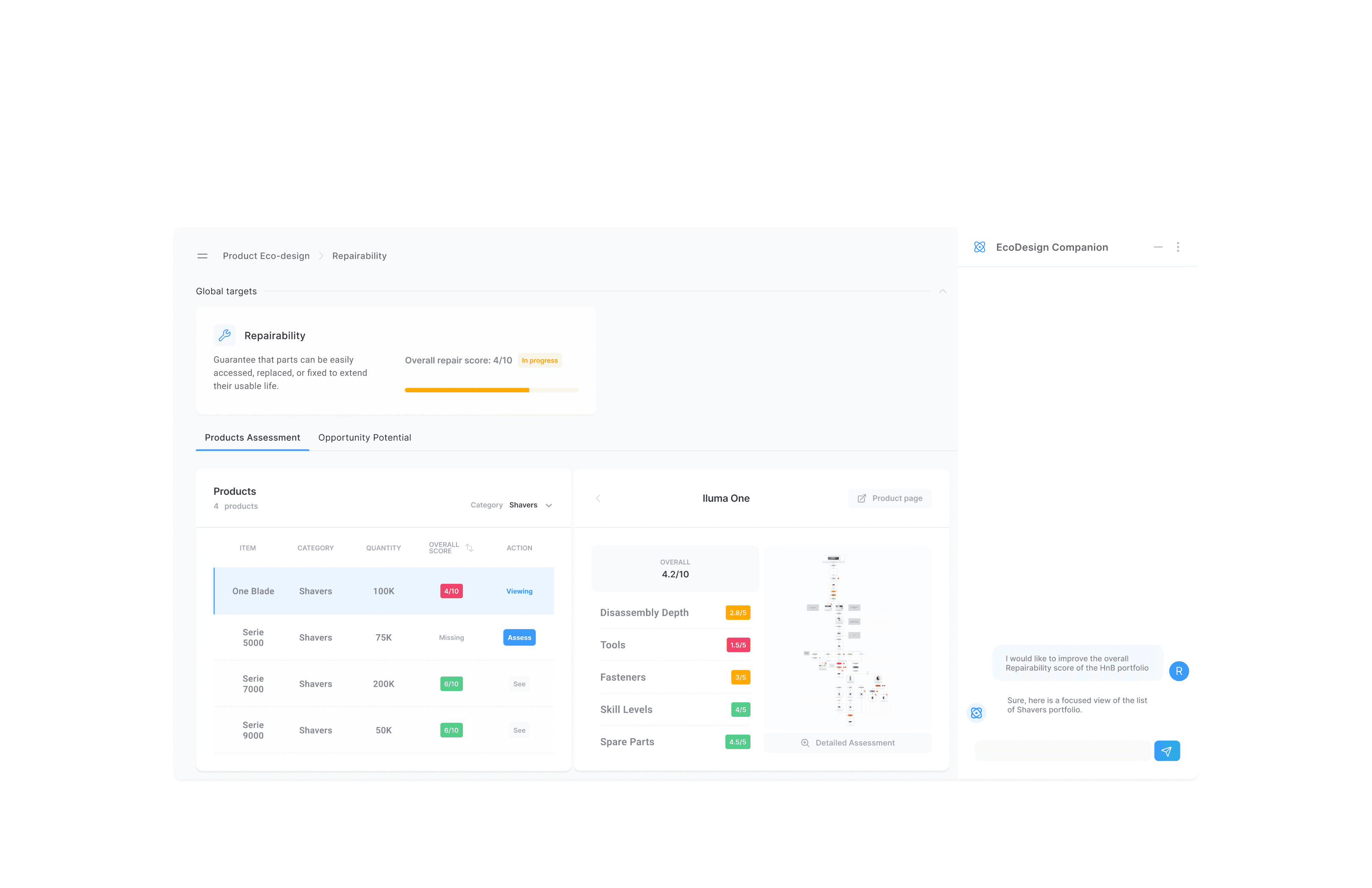
Accenture IXID had previously developed a repair index tool for the client. It enables teams to evaluate how repairable a product is by analyzing its disassembly map, including disassembly depth, the type of fasteners and tools required, and the presence and accessibility of critical components. While effective, the current tool exists in Excel. It is complex to learn, time-consuming to complete, and not very intuitive for beginners.
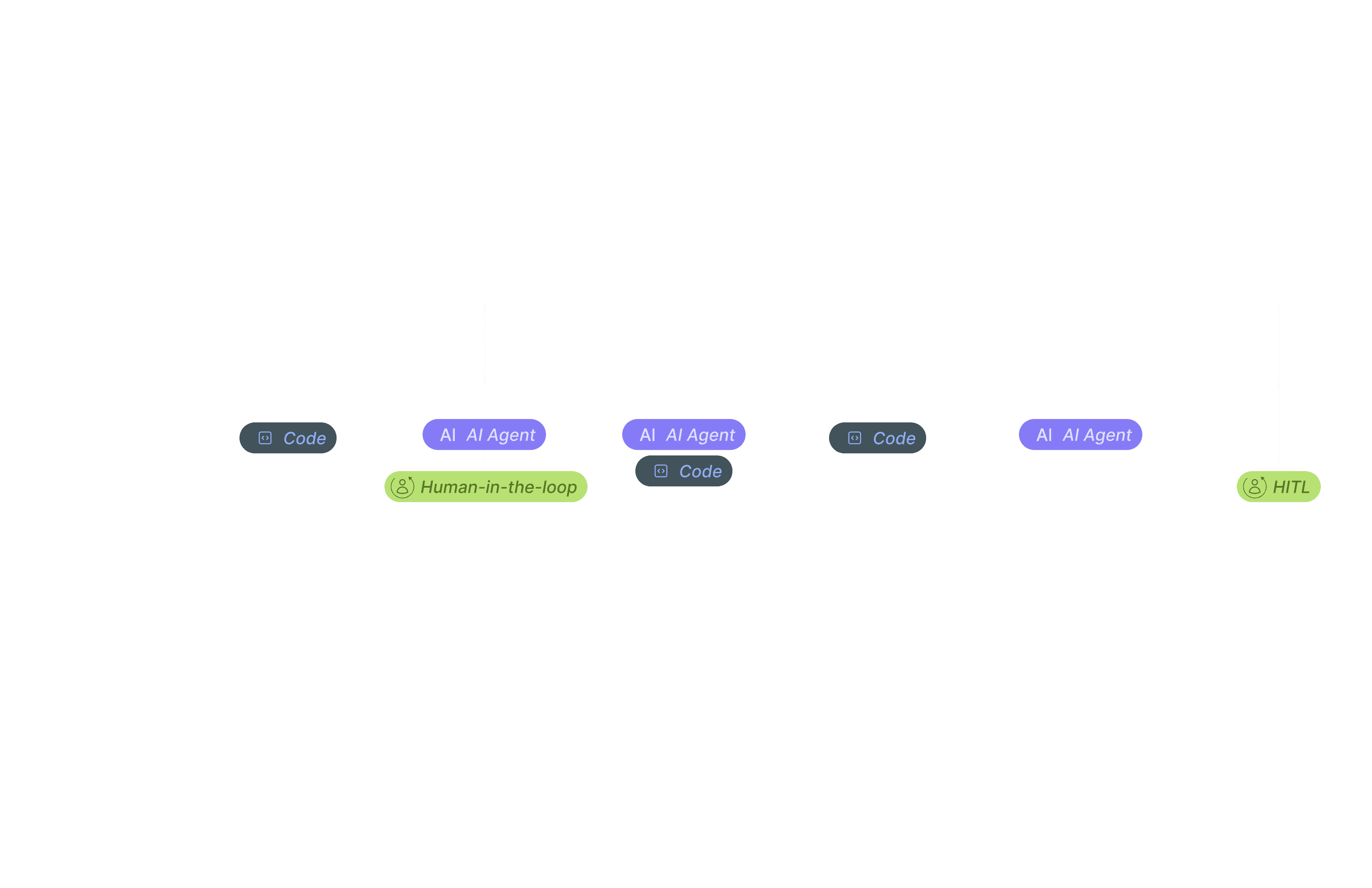
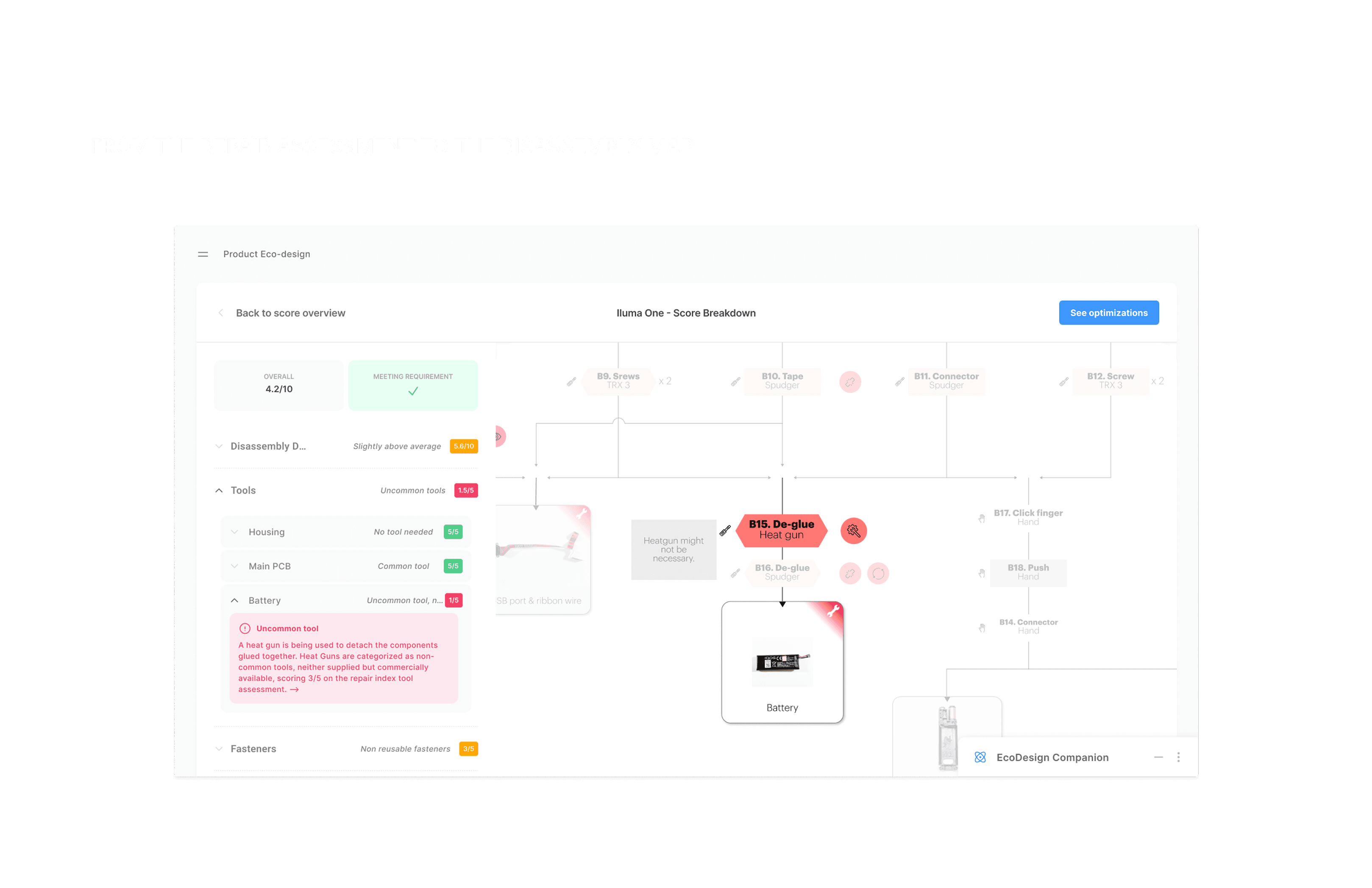
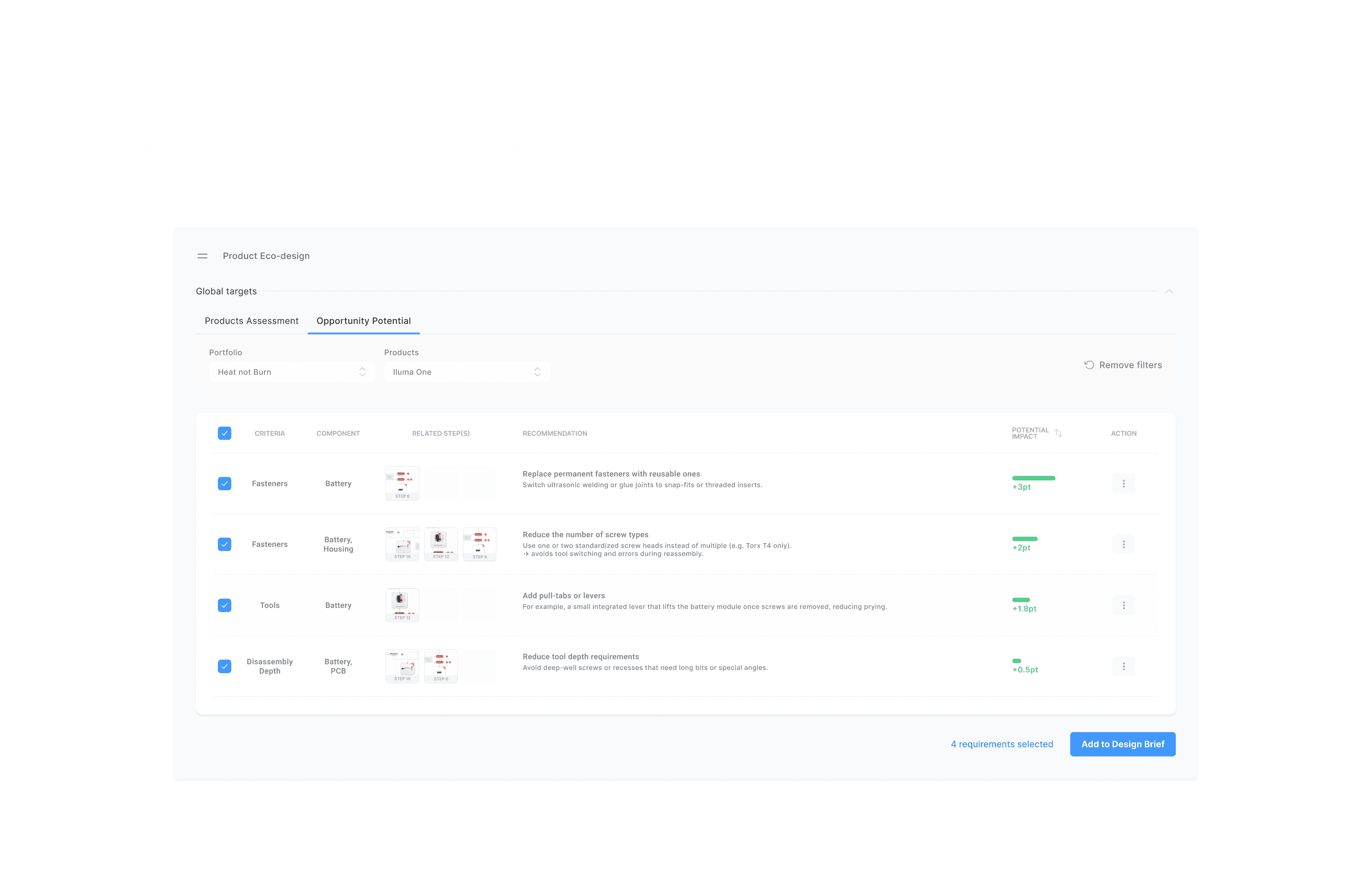
Our proof of concept explored the use of disassembly video analysis to automatically detect disassembly steps, identify fasteners, tools and parts, populate the repair assessment, generate a repair score and suggest potential improvements.
On the topic of repairability, I have also worked on consumer willingness to repair electronic products.
Demo
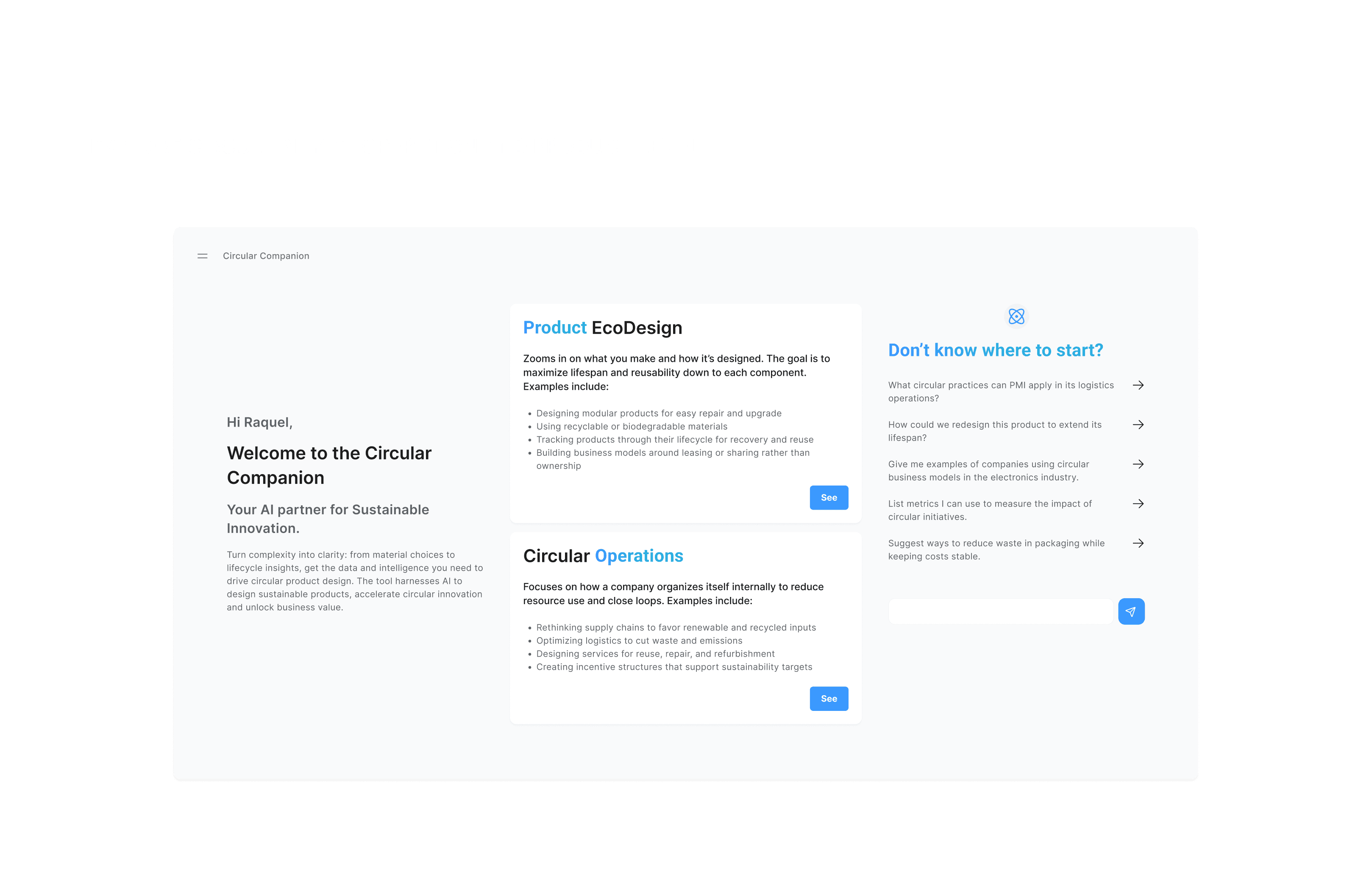
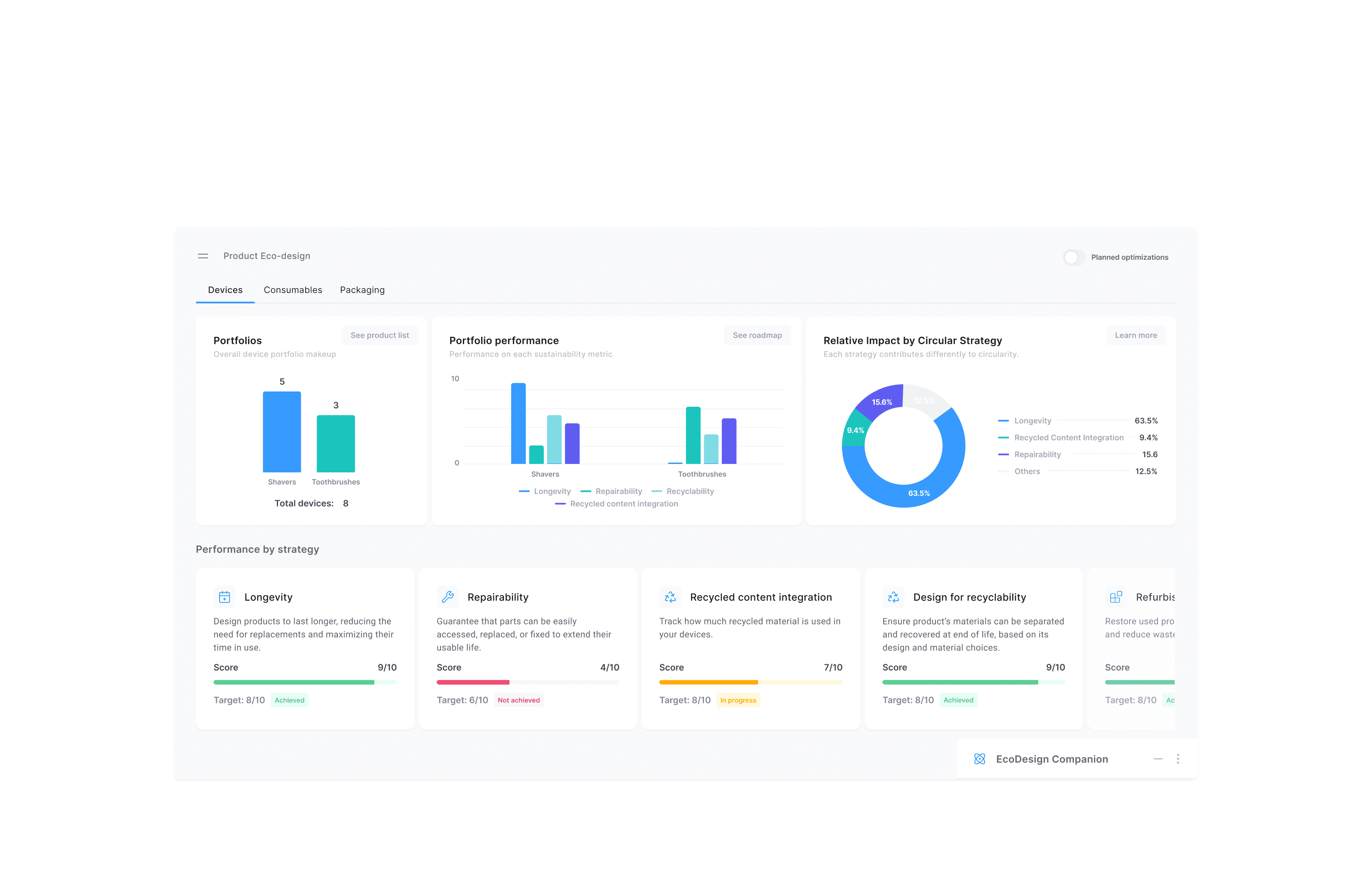
The demo I worked on followed the same overall narrative as the proof of concept, but focused on addressing the gaps that still remained. The proof of concept required multiple tools and manual copy-paste actions to transfer results. Our demo consolidated these steps into one unified and intuitive experience for the user. It also reconnected the workflow to portfolio-level decision making, showing how repairability insights can support broader product strategy and management goals.
Outcomes
It was really exciting to work on such topic and be able to see the complexity behind creating more sustainable electronic products. I learnt a lot on the topic, however one difficulty of the project was that for many sustainability questions the lack of available data from the client and lack of documenting of past experiments limits the relevance of the support an Ecodesign companion can provide today. Much work needs to happen to lay the foundations data-wise for such tool to provide insightful recommendations. The client team received positively the presentation, and is now discussing a roadmap to create the foundations for the creation of an eco design companion, starting with implementing the repairability assessment automation.
First time right EV charger Installation
Streamlining EV charger installation process, to avoid reworks and provide clarity all along the way
Overview
How do you turn a tangled, frustrating EV charger installation process into a smooth, stress-free experience for drivers, installers, and operators?
That’s the challenge we faced with Perfect Start, a project born from a staggering statistic: 70% of home charger installations fail on the first try. We teamed up with Accenture’s e-mobility team to dive deep into the messy reality behind that number, and co-create a service that finally makes sense for everyone involved.
Approach
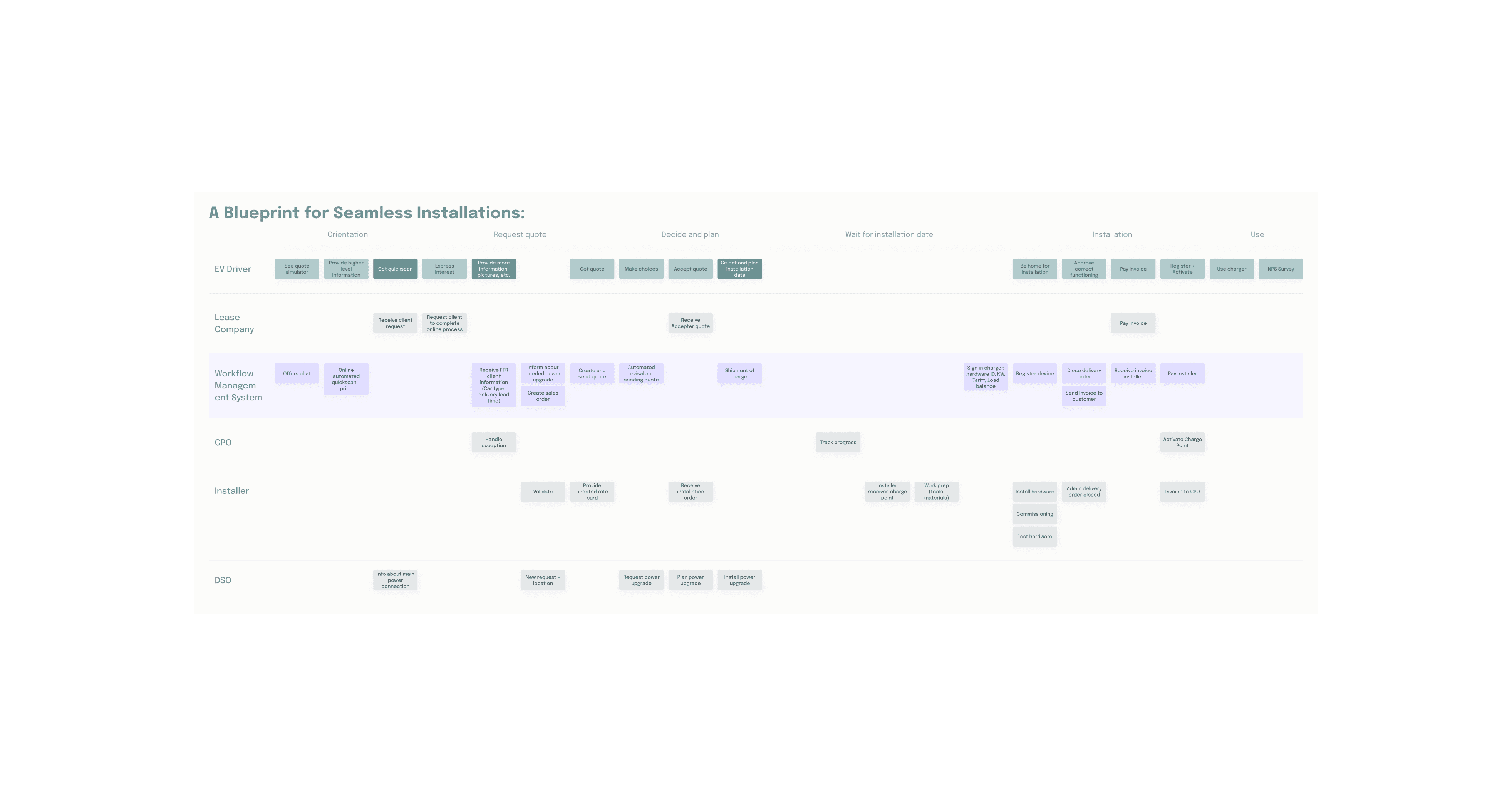
This project stemmed from conversations with SMEs within Accenture e-mobility team. The first findings from the field showed the EV charger installation process was everything but smooth: In fact, it was most of the fact failing. Considering the rapid increase in vehicle electrification in the Netherlands, it appeared that the current system, already under great tension, and providing a very fragmented and unsatisfactory user experience to the drivers, would only get worse. We therefore set to map the current end-to-end experience of getting an EV charger today, to see how it could be streamlined in a way that would benefit the key actors: EV drivers, Charge Point Operators, Installers, Lease Companies, Grid Operators…
Problems
Solutions
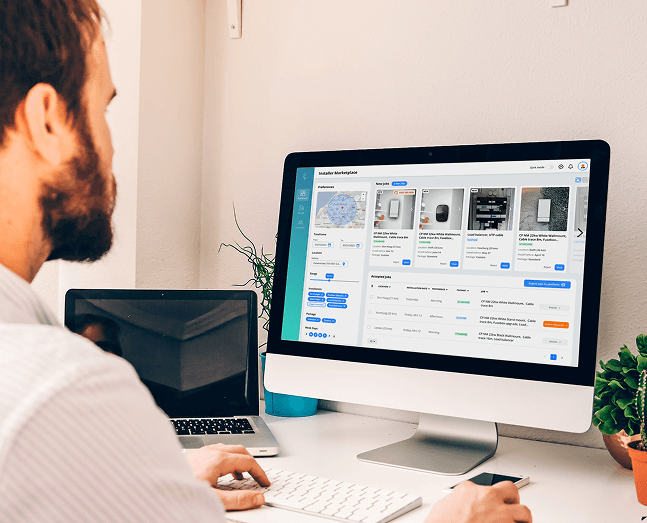
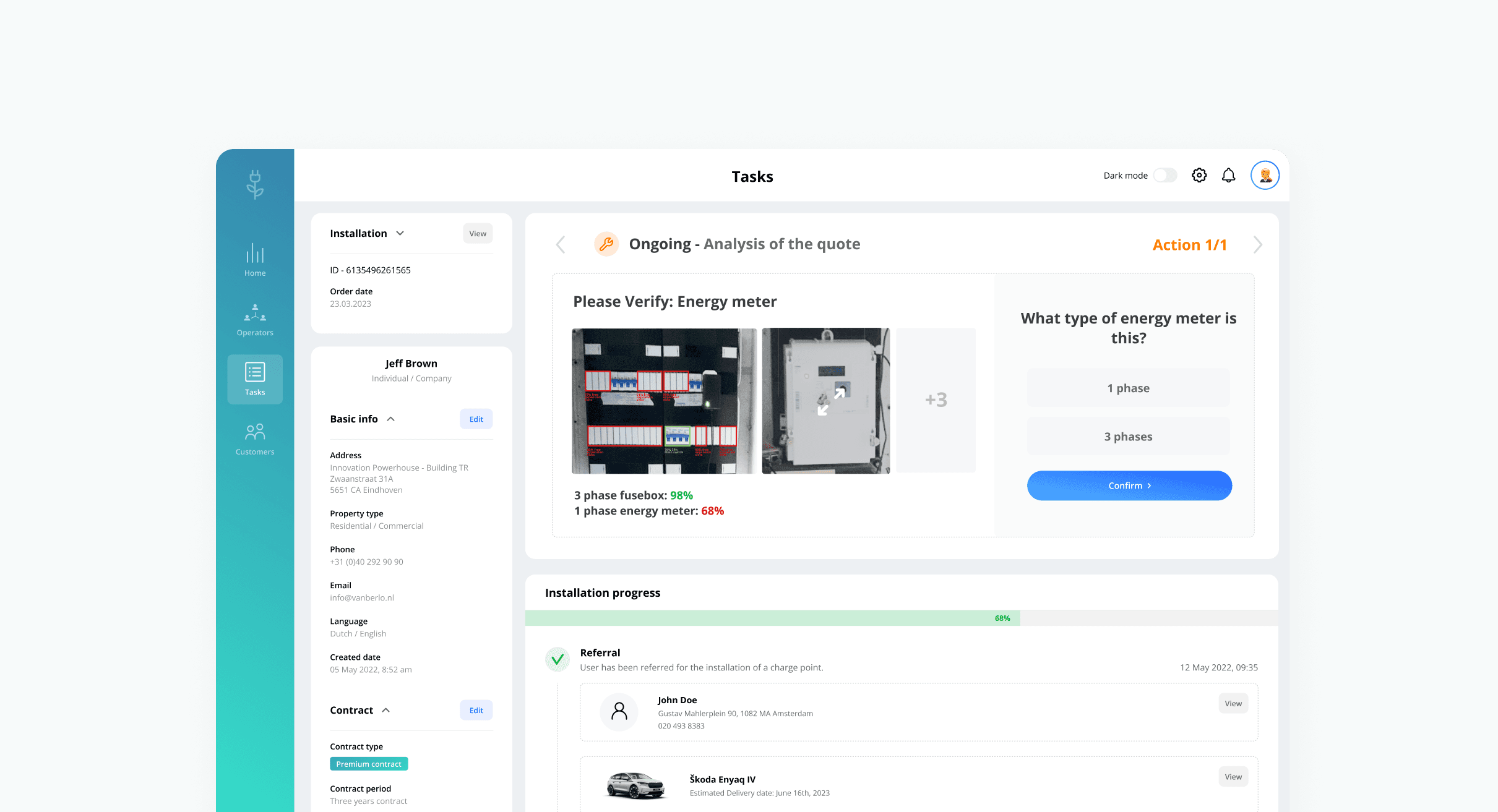
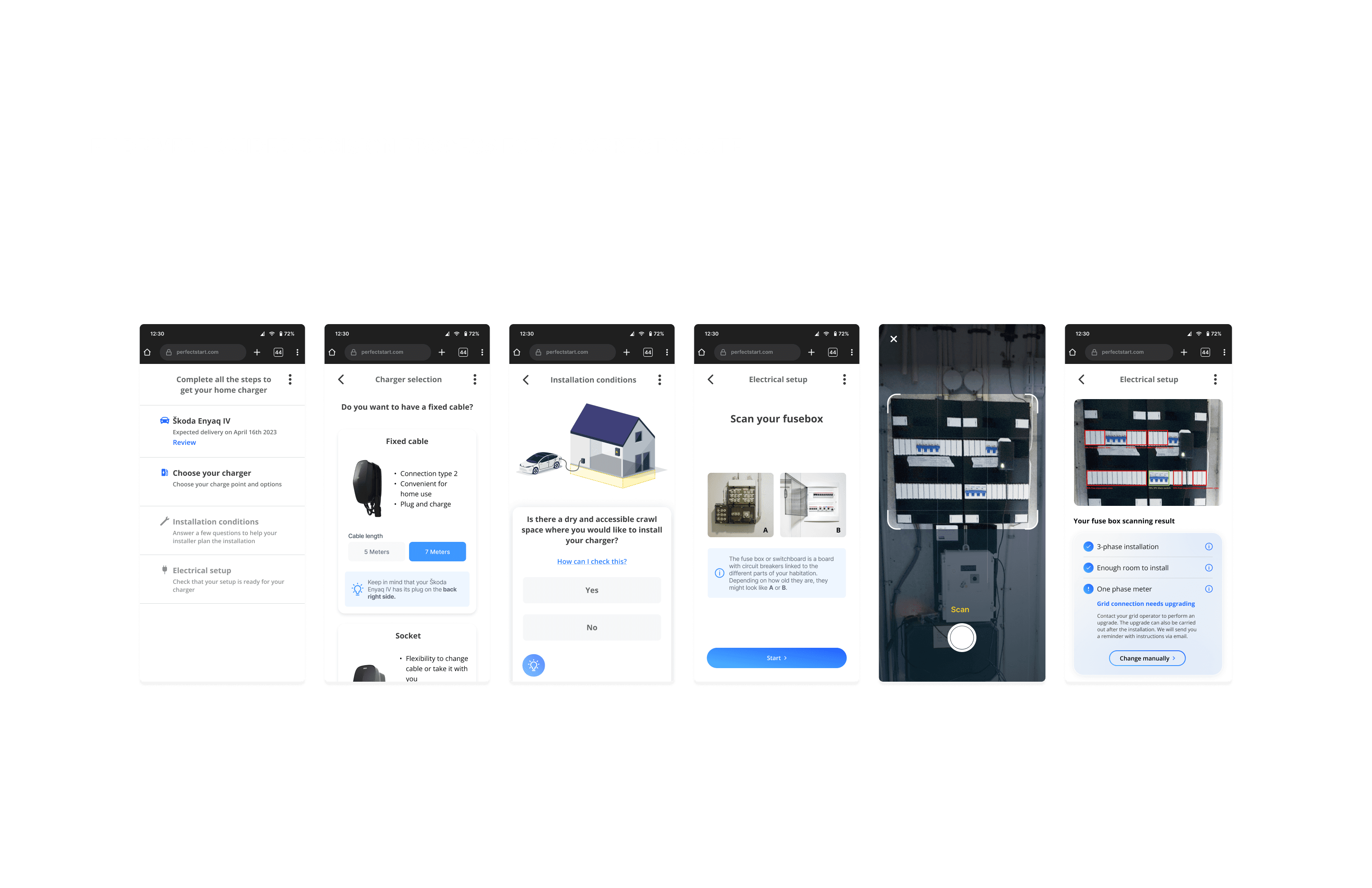
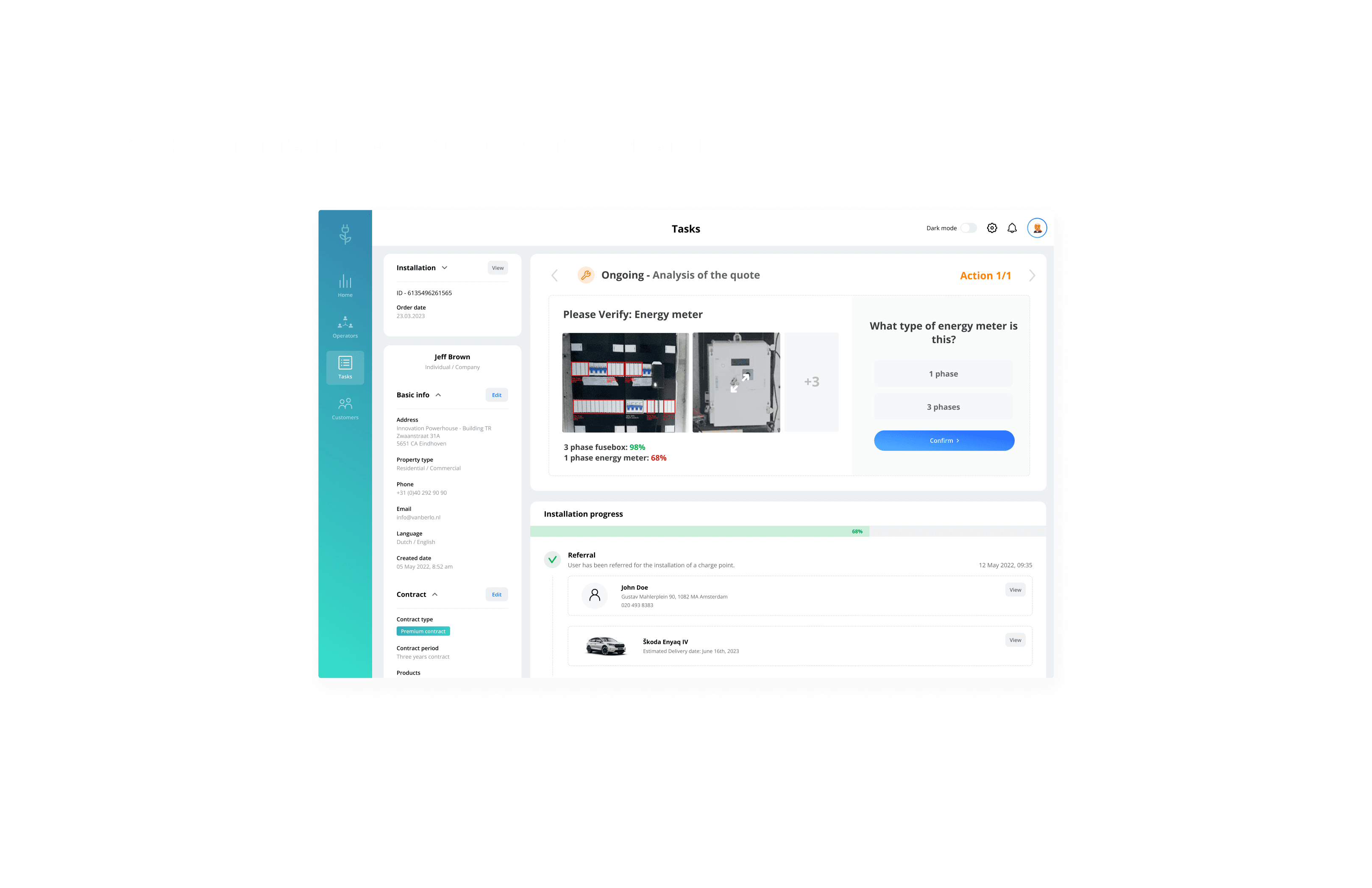
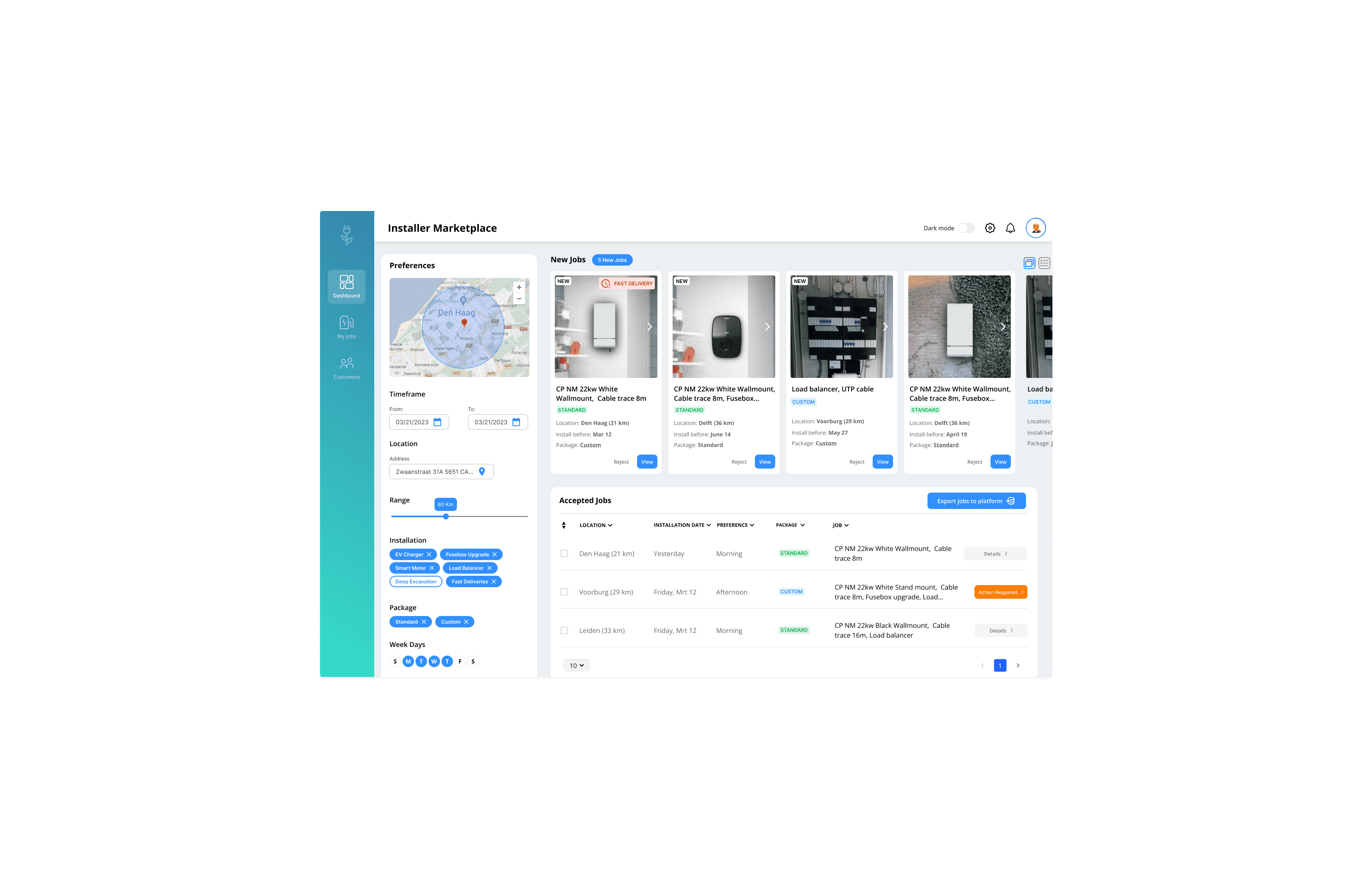
To address these challenges, we developed differentiated tools and touchpoints for each user group.
Drivers receive a streamlined onboarding experience that limits technical jargon and focuses on what they need to know to make informed decisions. Installers benefit from a dynamic checklist and real-time updates that guide preparation and troubleshooting. Operators gain access to dashboards providing visibility into installation progress and flags for potential issues.
Throughout the process, we prioritized user feedback, iterating designs to balance detail and simplicity while maintaining transparency and trust.
Outcome
This work provided a clear vision for a better EV charger installation experience. The demo became a tool to support business development in e-mobility, helping engage EV OEMs and spark new opportunities for future solutions.
I presented the concept to clients interested in shaping better user experiences for home charging.